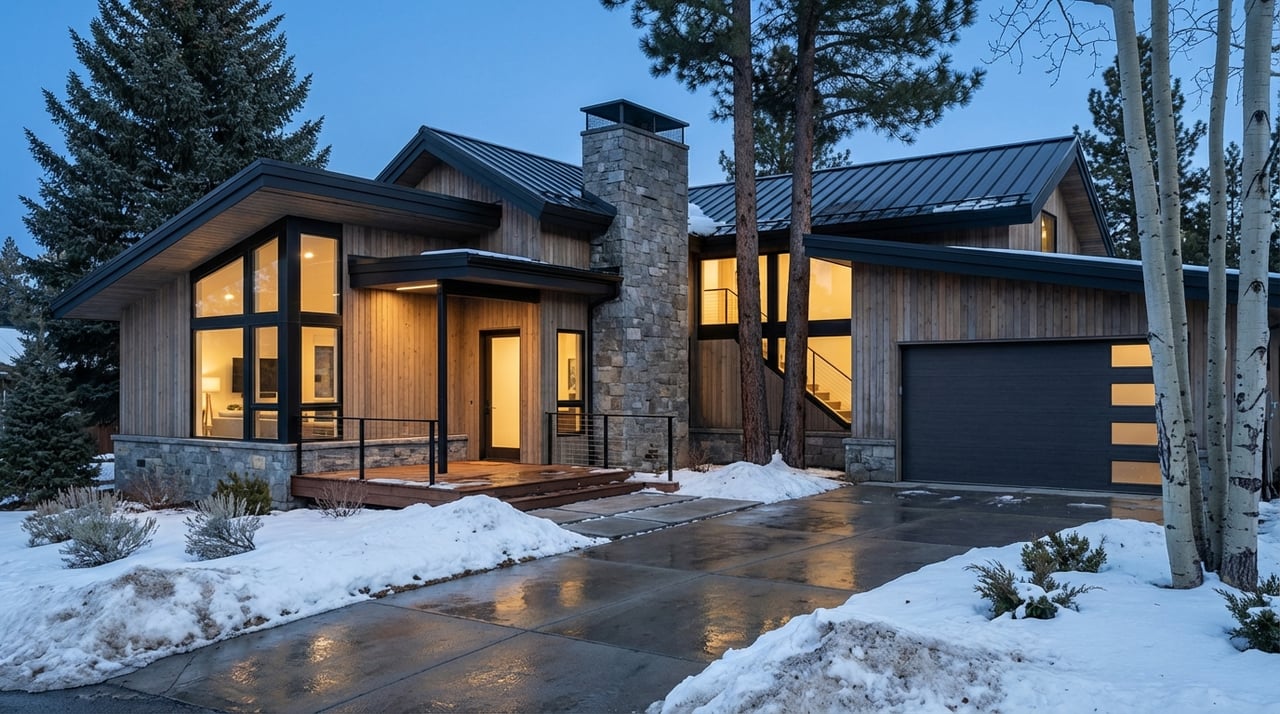
Wondering what life in Park City really feels like month to month? When you live or own here, the calendar is your lifestyle guide. Winter brings deep snow and lively streets, spring offers space to breathe, summer stretches into long outdoor days, and fall wraps it all in color and calm. In this guide, you’ll learn how each season shapes daily routines, home features that matter, and the rhythms that define neighborhoods across town. Let’s dive in.
The climate that sets the rhythm
Park City sits at high elevation, and that changes everything about home life. Winters are long and cold with multi-month freezing temps, while summers are warm and comfortable with low cooling needs. You’ll feel this in your utility planning and the systems your home needs most. For a sense of the baseline, review the local station normals that show cold winters and light summer cooling demand. Park City climate normals are a helpful starting point.
Snow drives winter here. Resorts report robust annual snowfall that keeps the season humming. Park City Mountain’s mountain info highlights average snowfall around 355 inches, and Deer Valley’s FAQs note roughly 300 inches. Opening and closing dates change each year based on conditions, but those averages explain why winter infrastructure and ski-focused homes are so common.
Winter: ski season at your doorstep
Daily life and services
Winter in Park City runs from late November through March or early April, depending on snow. Resorts operate at full steam, and visitor energy peaks during holidays and long weekends. Day to day, you’ll adapt to earlier sunsets, plowing schedules, and a steady rhythm of snow maintenance. The city outlines responsibilities clearly, including sidewalks and hydrants. If you live in town, review Park City’s snow-clearing program so you know what’s yours and what the city handles.
Home features that pay off
In winter, the right features make life easier. Mudrooms and durable entry flooring handle wet gear. Heated or covered garages, snow-melt driveways, and radiant or high-efficiency heating systems are prized for comfort and safety. Regular roof and vent checks help prevent ice dams. Many locals line up plow vendors or rely on HOA services well before the first big storm. If you plan to rent your home, winter is typically the strongest season for nightly rates and occupancy.
Visitor energy and January context
Holiday weeks, school breaks, and three-day weekends bring a lively feel to Main Street and the resort villages. January has long included a surge around the Sundance Film Festival. The festival’s final Utah-based edition ran in January to early February 2026, and the organization is relocating after that date, which may change how January feels going forward. You can read the coverage on the Sundance relocation context. For current snow, terrain, and operations, check Park City Mountain’s mountain updates each season.
Spring: the quiet shoulder season
What it feels like
Spring in Park City is a reset. April and May bring variable weather, snowmelt, and quieter streets. Many higher-elevation trails need time to dry out, and some attractions wind down. For many residents, this is a favorite window to enjoy the town at a slower pace and take care of to-dos. The local hospitality world often calls it mud season, and it’s a helpful way to think about the transition. You’ll see lower lodging rates and fewer visitors. Get a feel for spring’s slower vibe through this shoulder-season perspective.
Best time for maintenance and trial stays
Use spring to check systems, schedule exterior work, and plan improvements. Roof and gutter checks, heating service, insulation upgrades, and ice-dam prevention are easier to tackle now. If you’re considering a move, spring is a great time to book a trial stay and test a neighborhood without the summer or winter energy. Owners of short-term rentals often accept lower spring yields, which can make longer stays easier to secure.
Rental and ownership realities
The statewide data on short-term rentals shows strong seasonality and growth in resort markets. In 2023, Summit County had the highest share of housing listed as short-term rentals in Utah, around 23.8 percent, with Park City showing especially high concentrations. Those patterns help explain spring discounts and quieter streets. See the statewide view in the Kem C. Gardner Policy Institute report.
Summer: long days and outdoor living
Weather and attractions
Summer days are warm with cool nights, perfect for long sessions outside. Park City is an IMBA Gold-level Ride Center, which signals a deep, well-connected mountain bike network. Explore the biking scene and trail context through this IMBA Gold Ride Center overview. Resorts also run summer attractions like alpine slides, zip lines, and scenic lifts. For a quick taste of what’s open, browse this roundup of resort summer fun.
Signature summer events
Main Street comes alive with weekly and headline events. The Park Silly Sunday Market fills select Sundays with vendors, food, and music. Early August typically brings the Kimball Arts Festival, a major weekend that fills the galleries and streets. The town also hosts a full slate of Fourth of July events and the parade. Plan ahead if you want front-row access or an easy stroll from your door.
How homes are used
Many second-home owners stay for longer blocks in summer, from two-week stretches to entire months. Outdoor spaces become main living areas, so decks, hot tubs, and gear storage see daily use. If you rent your property, you may rebalance your calendar to serve both winter and summer peaks. Locals often say this is when the community’s full range of activities shows up on the calendar, from kids’ bike races to outdoor concerts and neighborhood barbecues.
Fall: color, calm, and a winter-ready home
What you can expect
Fall is the locals’ secret season. Days are comfortable, nights are crisp, and aspen stands light up the hillsides from late September into early October at many elevations. Visitor traffic usually tapers after Labor Day, which makes this a great time to try hikes, restaurants, and scenic drives without the summer rush. For ideas on shoulder-season outings, skim this mountain-biking guide with fall context.
Owner to-do list
Use fall to prep your property for snow. Winterize irrigation, test heating systems, schedule chimney and boiler service, and confirm your plow or snow-removal plan. If you rely on a property manager or HOA, check service dates and coverage now. If you host guests, review your listing’s winter details and make sure instructions for heat, garage access, and snow gear storage are crystal clear.
Second homes, STRs, and neighborhood feel
Park City blends full-time residents and a large second-home community. In 2023, Summit County recorded about 23.8 percent of housing listed as short-term rentals, and Park City proper showed particularly high concentrations. This affects how neighborhoods feel in different months, with more turnover on weekends and deeper occupancy swings between winter and summer. For the broader context, see the Gardner Institute’s STR findings and local reporting on how Summit County leads statewide trends in STR growth (KPCW overview).
If you are exploring an STR strategy, remember that the strongest months are usually winter and summer, with meaningful discounts in shoulder seasons. Local policies and licensing requirements evolve, so check current city and county rules before you buy or market a rental.
Getting around and daily convenience
Many buyers choose Park City for easy access. Most days, it is about a 35 to 50 minute drive from Salt Lake City International Airport to Park City, depending on your route and weather. A quick overview of the city includes notes on local transit and resort shuttles that connect Main Street, Kimball Junction, and the base areas. For a concise snapshot of location and access, browse this Park City overview.
Match your lifestyle to the right home
If you plan to live full time
Prioritize a strong heating system, good insulation, and easy-access storage for winter gear. Understand your snow-removal plan and driveway slope. If you commute or prefer car-light living, look at neighborhoods with quick access to transit or shuttles. A reliable internet setup matters if you work from home.
If you plan to use it seasonally
Create simple systems for arrivals. A lockable owner’s closet, a well-designed mudroom, and labeled gear storage reduce friction. Consider an HOA or property manager that handles snow and exterior maintenance. If you plan to rent, design your calendar around winter and summer peaks and build in owner blocks for spring or fall retreats.
Neighborhood snapshots
- Old Town and Main Street: Walkable access to dining, galleries, and events. Expect lively winters and festive summer weekends.
- Prospector and Lower Deer Valley: Convenient access to resorts and in-town services with a mix of single-family homes and condos.
- Kimball Junction and Newpark: Newer condos and townhomes near shopping, restaurants, and year-round services.
- Resort villages at Canyons, Park City Mountain, and Deer Valley: Ski-in, ski-out options and strong access to both winter and summer resort programming.
When to start your search
If you like quiet tours and easier logistics, consider April or late fall. These shoulder months tend to be calmer and can help you focus on the home’s layout, natural light, and neighborhood setting without event-driven traffic. If your priority is testing ski access or summer trail networks, plan scouting trips in those peak months and book early.
Ready to explore your own year in Park City?
Whether you want a ski-in, ski-out retreat, a modern mountain residence with big views, or a central in-town base, you deserve guidance that connects your lifestyle to the right neighborhood and property features. Reach out to The Carollo Real Estate Team for a tailored, concierge approach backed by deep local knowledge and global reach.
FAQs
Is Park City only busy in winter?
- No. Winter is a peak for skiing and earlier festival activity, and summer is also a high season for biking, lakes, and events. Shoulder seasons in spring and fall tend to be quieter. For winter context, see Park City Mountain’s mountain info.
Do many people live in Park City year round?
- Yes. The community blends full-time residents and a large second-home population. Short-term rentals are a significant share of the housing stock in Summit County and Park City. See the Gardner Institute’s STR report.
What months are quietest for a visit or trial stay?
- Late spring and late fall are usually the calmest and often the most affordable. April and October to early November are good bets. Here’s a shoulder-season snapshot.
How much snow do the resorts get?
- Park City Mountain reports an average around 355 inches and Deer Valley notes roughly 300 inches. For current seasonal updates, review Park City Mountain’s mountain info and Deer Valley’s FAQs.
How far is Park City from Salt Lake City International Airport?
- Typically 35 to 50 minutes by car, depending on route and weather. For a quick overview of the city and access, see this Park City summary.