Wondering whether staging really matters when you are selling a Park City mountain home? In a market where buyers often expect polished, move-in-ready properties, presentation can shape how quickly your home connects with the right audience. With the right staging strategy, you can highlight your home’s views, lifestyle, and condition in a way that feels natural and compelling. Let’s dive in.
Why staging matters in Park City
Park City is not a one-size-fits-all market. According to the Park City Board of REALTORS®, the market is highly segmented by location, amenities, property type, age, and price point, and Q4 2025 ended with a 5.2-month absorption rate, which is consistent with a balanced market. In a balanced market, details matter, and your home’s presentation can help it stand out.
That is especially true in the upper tier. The same market context shows that luxury buyers in Park City often prefer pristine, turnkey homes, and cash purchases make up more than 60% of luxury transactions. When buyers have choices and move quickly, a clean, edited, ready-to-enjoy home can make a stronger first impression.
Park City is also a lifestyle-driven destination known for its ski resorts, trail network, open space, and year-round recreation, as highlighted by Visit Park City. That means buyers are not only evaluating square footage and finishes. They are also responding to how your home supports the mountain lifestyle they came here to find.
What staging helps buyers do
National staging data helps explain why this works. In the 2025 Profile of Home Staging, 83% of buyers' agents said staging makes it easier for a buyer to visualize a home as their future home. That simple shift matters because buyers often decide emotionally first, then justify the decision with logic.
Staging may also support better outcomes once your home hits the market. NAR reported that 19% of sellers' agents said staging increased the dollar value offered by 1% to 5%, and 30% said it slightly reduced time on market, according to the full 2025 staging report. While results vary by property and pricing strategy, the larger point is clear: presentation helps.
In a market where Summit County sale prices remain high by national standards, buyers tend to notice condition, maintenance, and ease of use. Staging supports all three by making your home feel cared for, functional, and ready for the next owner.
Stage the lifestyle, not just the rooms
In Park City, staging should do more than fill space. It should tell a story about how the home lives day to day and season to season. That means your windows, decks, patios, and transitions to outdoor areas deserve as much attention as your furniture layout.
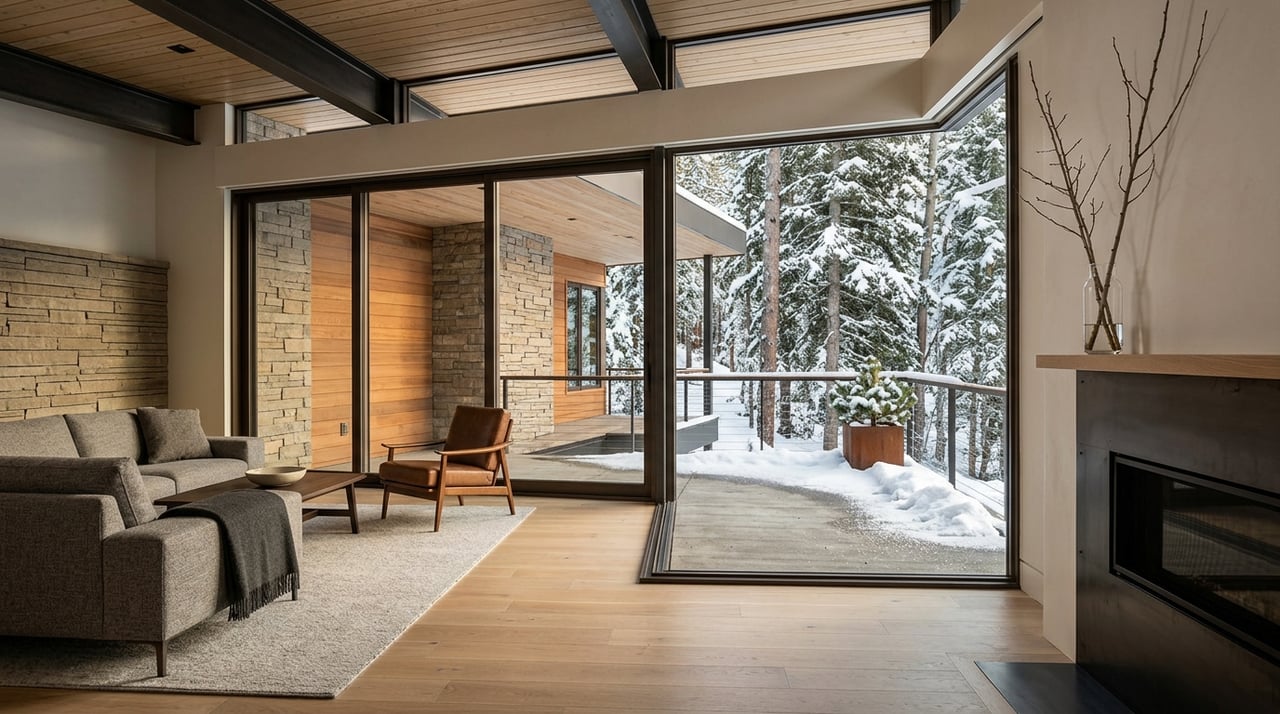
Because Park City is so closely tied to scenery and recreation, your staging should keep views, natural light, and indoor-outdoor flow front and center. If a room feels crowded or blocks sightlines, buyers may miss one of the property’s most valuable features. In many mountain homes, less furniture creates a stronger impression than more.
A polished mountain look usually performs better than a heavy rustic one. Think edited surfaces, comfortable scale, clean lines, and warmth without clutter. The goal is to make the home feel elevated and welcoming, not themed.
Focus on the most important rooms
If you are deciding where to invest first, start with the spaces buyers notice most. NAR found the most commonly staged rooms were the living room (91%), primary bedroom (83%), dining room (69%), and kitchen (68%) in the 2025 staging profile.
Living room
Your living room often carries the emotional weight of the showing. In a Park City home, this is where buyers imagine gathering after a ski day, hosting guests, or simply enjoying the mountain setting. Arrange seating to emphasize fireplaces, windows, and conversation areas rather than the television alone.
Primary bedroom
The primary suite should feel calm, open, and restful. Remove extra furniture, simplify bedding, and keep surfaces mostly clear. Buyers respond well to rooms that feel spacious and easy to settle into.
Dining area
Your dining room or dining space should feel functional without looking formal or overdone. A simple table setting or understated centerpiece is often enough. Keep the room open so buyers can understand circulation and scale.
Kitchen
The kitchen should read as clean, bright, and ready to use. Clear counters, remove small appliances where possible, and keep decorative items minimal. In a luxury market, buyers often read kitchen clutter as deferred effort, even when the finishes are strong.
Don’t overlook entry and mudroom spaces
Mountain living creates practical needs, and your staging should reflect that. In Park City, a well-organized entry or mudroom helps buyers picture how coats, boots, helmets, and everyday gear will fit into the home.
This does not need to feel overly styled. It simply needs to feel purposeful. A clean bench, a few hooks, tidy storage, and open floor space can make the home feel more functional and more turnkey.
Make outdoor spaces feel usable
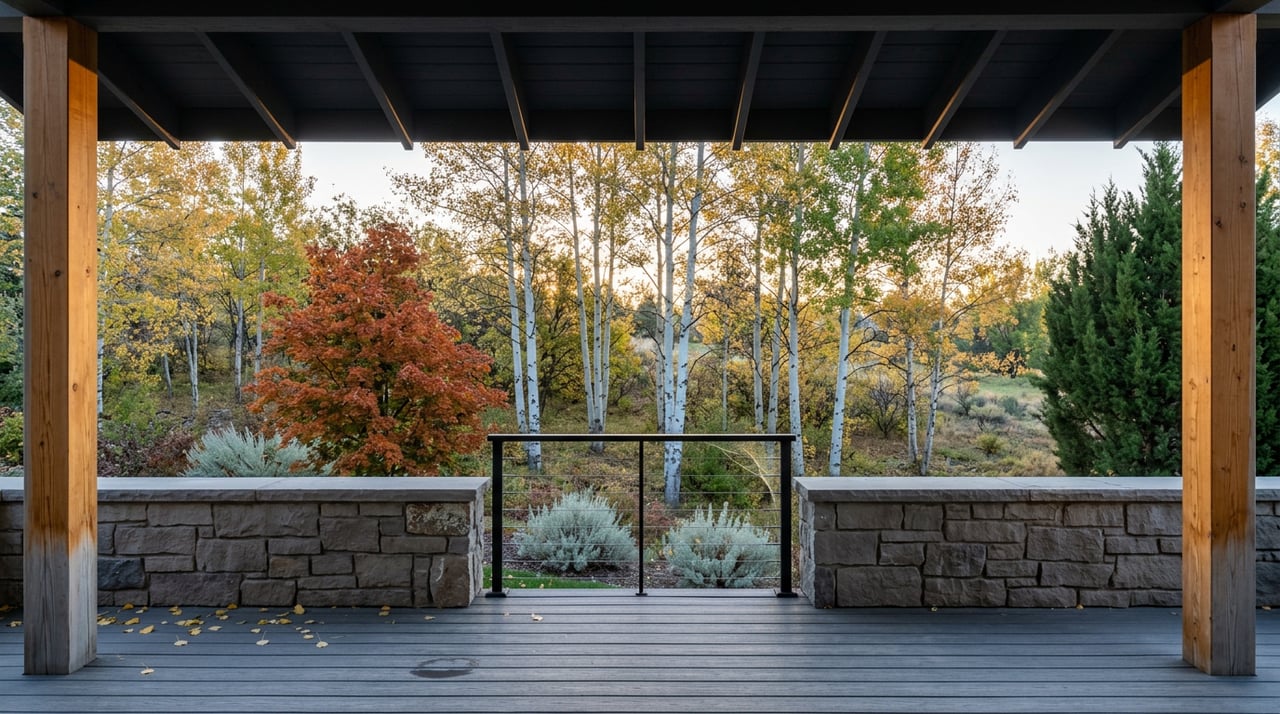
Outdoor living is part of the product in Park City. NAR includes outdoor and yard areas among the spaces considered in staging, and that matters even more in a mountain setting where decks, patios, hot tubs, and fire features can extend the living experience.
Before photos or showings, make sure these spaces feel edited and ready to enjoy. Clear snow or debris as needed, clean furniture, straighten cushions, and remove excess accessories. Buyers should be able to step outside and immediately understand how the space can be used.
Occupied homes need editing and calm
If you are living in the home while selling, your goal is not perfection. It is clarity. Buyers need enough visual quiet to focus on the home itself rather than your routines, collections, or storage overflow.
According to NAR, the most common seller prep steps include decluttering, whole-home cleaning, curb appeal improvements, minor repairs, removing pets during showings, and using professional photos. Those recommendations fit Park City especially well because local buyers often favor homes that feel fresh and move-in ready.
Here is a practical checklist for occupied homes:
- Remove excess furniture to improve flow
- Clear kitchen and bathroom counters
- Edit personal photos and highly specific decor
- Organize closets, pantries, and storage areas
- Complete small repairs like touch-up paint or loose hardware
- Deep clean floors, windows, kitchens, and baths
- Create a tidy entry or mudroom zone
- Plan for pets to be out during showings
Vacant homes usually need more support
Empty homes can feel larger in theory but colder in practice. Buyers often struggle to judge scale, furniture placement, and how a room is meant to function. NAR notes that a dark, empty property will not get the same attention as a furnished one, and buyers' agents still rank physical staging, photos, videos, and virtual tours above virtual staging alone.
For a Park City luxury listing, that usually means physical staging in the main living areas is the stronger choice. Virtual staging can still help as a supplement, especially for marketing images, but it should not replace a well-presented in-person experience when the property is vacant.
Professional photos matter as much as the staging itself
Staging is not just for showings. It is also for the first showing that happens online. NAR found that sellers place high importance on photos, with videos and physical staging also playing a meaningful role in listing presentation.
That is especially important for Park City because many buyers begin their search remotely. Out-of-state and second-home buyers often decide which homes to tour based on visual presentation long before they arrive. If your home looks bright, intentional, and well cared for online, you increase the odds of getting that next step.
How much should you expect to spend?
Staging costs depend on the size of the home, how much furniture is needed, and whether the property is occupied or vacant. NAR reported a median staging-service spend of $1,500, compared with $500 when the listing agent personally staged the home, according to the full 2025 Profile of Home Staging.
For many Park City sellers, the better question is not whether staging has a cost. It is whether the home is being presented in a way that matches buyer expectations for its price point. In a market where new construction can command a 20% to 30% premium over comparable existing homes, perceived freshness and readiness can carry real weight.
A smart staging plan for mountain homes
The best staging plan is tailored to the property. A ski-in/ski-out residence, a contemporary condo, and a large legacy home will not need the exact same approach. Still, most successful Park City staging plans share a few core goals.
They make the home feel brighter, simpler, and easier to imagine. They protect sightlines to views and outdoor spaces. And they present the property as well-maintained, welcoming, and ready for the next chapter.
If you are preparing to sell, a thoughtful staging strategy can help you align your home with what buyers already say they want in this market: clean presentation, strong visuals, and a turnkey feel. If you want local guidance on how to position your property for today’s Park City buyers, connect with The Carollo Real Estate Team.
FAQs
Does staging help sell a Park City mountain home?
- Yes. NAR reports that staging helps buyers visualize the home more easily, and Park City buyers often prefer pristine, turnkey properties.
Which rooms should you stage first in a Park City home?
- Start with the living room, primary bedroom, dining room, and kitchen, since those are the rooms most commonly staged according to NAR.
Is virtual staging enough for a vacant Park City listing?
- Usually not on its own. For many vacant luxury homes, physical staging in the main living spaces creates a stronger in-person and online impression.
How much does home staging cost in Park City?
- Costs vary, but NAR reported a median staging-service spend of $1,500, with lower costs possible when lighter staging support is needed.
What should you highlight when staging a mountain home in Park City?
- Focus on views, natural light, indoor-outdoor flow, clean main living spaces, and a functional entry or mudroom area that supports mountain living.