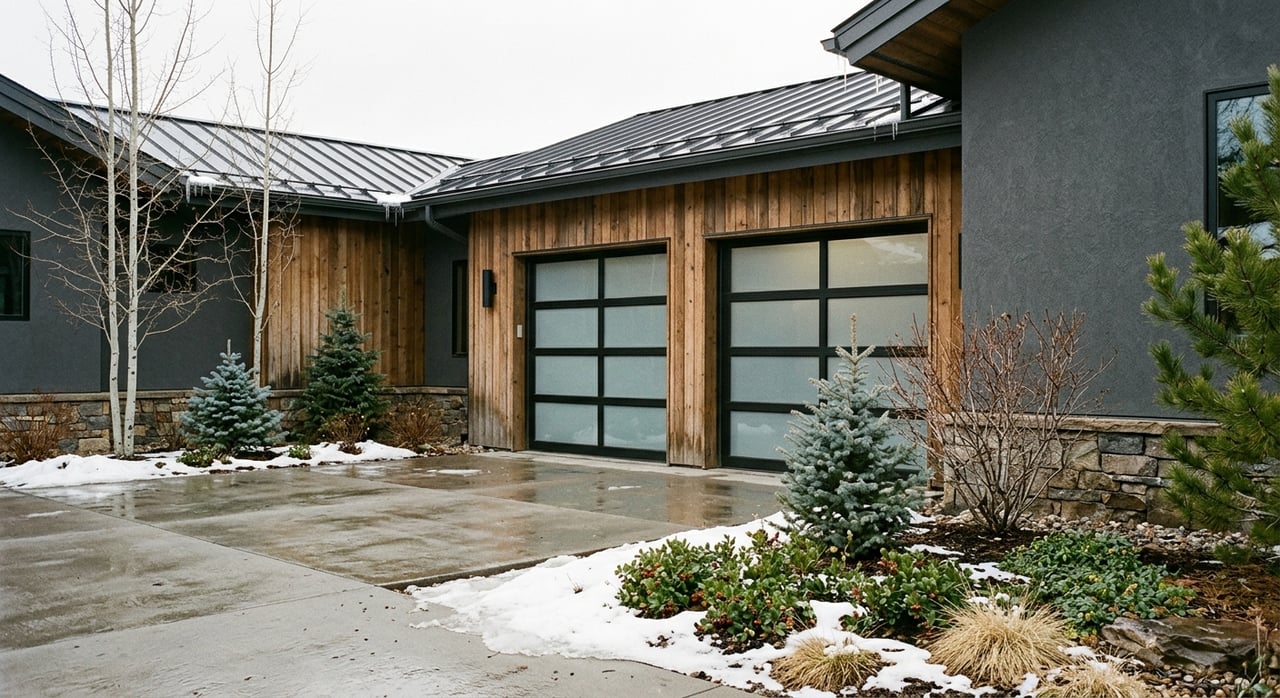
If you have ever looked at a Park City property and thought, we can just remodel it or we can build what we want later, you are not alone. In this market, that next-step vision is often part of the appeal, especially for buyers and owners balancing mountain lifestyle goals with long-term value. The catch is that Park City projects can involve multiple reviews, private restrictions, and site-specific issues that are easy to miss early. A local advisor helps you sort through those moving parts before they become expensive surprises. Let’s dive in.
Why Park City projects need local guidance
Park City builds and renovations are rarely just about choosing finishes or hiring a contractor. The city’s process can route projects through building, fire safety, community code compliance, engineering, and planning review, with permits submitted through City Inspect. For many projects, construction does not begin until the Limits of Disturbance inspection passes and a pre-construction meeting is complete.
That layered process matters even more if you are managing a project from out of town. A local advisor gives you a grounded point of contact who can help you understand the sequence, track what applies to your property, and keep communication moving between the people involved.
Park City also has a high number of historic resources and special review contexts. The city notes more than 400 historic sites, two National Register historic districts, and updated Historic District Design Guidelines. Add in Summit County land records, plat maps, and county engineering functions, and it becomes clear why early local guidance can save time and reduce false starts.
What a local advisor does first
Clarifies project feasibility
Before you spend heavily on design, you need a realistic picture of what your parcel may require. Park City’s submittal checklist references setbacks, easements, utility locations, retaining walls, topographic details for sloped lots, and wildland-urban-interface context. That means two properties with similar views or square footage can have very different project paths.
A local advisor helps you ask the right early questions, such as whether a lot appears straightforward or whether it may call for more documentation and a longer review timeline. That kind of upfront clarity is especially valuable if you are deciding between buying a lot, renovating an existing home, or pursuing a more extensive build.
Confirms the right jurisdiction
In and around Park City, city and county roles are not the same. Park City handles city permits and plan review, while Summit County maintains land records and plat maps and has its own engineering and development-review responsibilities. If a parcel sits near a jurisdictional edge or in an adjacent unincorporated area, identifying the correct governing office is part of the first round of due diligence.
This may sound simple, but it can shape everything that follows. Knowing which office applies helps you start in the right place and avoid building a plan around assumptions that do not fit the property.
Pulls records early
Park City’s building plan review resources include a GRAMA request service for permit and property document searches. A local advisor can use available records to help surface useful facts before plans are drafted and consultants are fully engaged.
That early fact-finding can help you spot missing information, prior permit history, or details that may affect scope. In a market where time and design dollars matter, getting the paper trail in order early is a practical advantage.
How a local advisor supports design and approvals
Keeps the process organized
Park City’s plan review may involve architectural design, fire and life-safety design, mechanical, electrical, and plumbing design, site-plan review, engineered structural design, and wildland-urban-interface design. That range alone shows why these projects can feel bigger than they appear from the outside.
Your local advisor is not there to replace an architect, engineer, or contractor. Instead, the value is often in helping coordinate communication, keeping the process moving, and making sure you understand what may come next as your team works through approvals.
Flags historic review early
Historic review can be one of the biggest variables in Park City, especially for older homes, infill properties, and projects in or near Old Town. The city’s guidance says owners and architects should speak with a Project Planner early in the planning phase for historic work. The Planning Department also outlines pre-applications, physical-conditions reports, and standard applications for Historic District Design Review.
In plain terms, historic properties often involve more than a single permit filing. A local advisor helps you identify that possibility early so you can budget time and planning effort more realistically.
Helps with approval sequencing
One of the most useful things a local advisor can do is help you understand sequence. In Park City, the right next step depends on the parcel, the project scope, and whether your property triggers city review, county review, historic review, HOA notice, or wildfire-related requirements.
That sequencing matters because it helps you avoid making decisions out of order. If you know what should be confirmed first, you can move into design and field work with a clearer path.
Park City factors that can change scope
Historic district requirements
If your property is in or near a historic district, review standards can shape what is possible and how long approvals may take. Park City’s Planning Department reviews Historic District Design Review applications for compliance with the city’s guidelines and Land Management Code. The Historic Preservation Board also includes technical representation, which underscores how specialized these reviews can be.
For you, that means historic context is not a detail to check later. It is something to identify at the very start of planning.
HOA and condo or PUD restrictions
Private restrictions can be just as important as public rules. Park City requires HOA notification for all exterior work in registered HOAs and for condo or PUD work involving common walls, floors, or exterior changes. The city also notes that CC&Rs are recorded with the county recorder and enforced by the HOA, not by the building department.
This is where a local advisor can be especially helpful. City approval and HOA approval are not the same thing, and private restrictions may be more limiting than city code. Knowing that early can protect your budget and your timeline.
Wildfire and site constraints
Park City’s Wildland Urban Interface code applies to all new construction and additions, and also to remodels valued above $50,000. The city says landscape and home-hardening plans are evaluated during building permit plan review. Depending on location, outdoor work and material choices may affect more than aesthetics.
There are also site-specific considerations such as slope, access, utilities, and topographic details that can affect submittal requirements. These are the kinds of details that can quietly expand scope if they are discovered late.
Soil ordinance areas
Park City also has a soil cover ordinance in areas affected by historic mill tailings. Within the ordinance boundary, topsoil and landscaping requirements may apply. That means site work and exterior planning may need closer attention than buyers or owners expect at first glance.
A local advisor helps you identify whether this issue is relevant to your parcel before you make assumptions about timing or cost.
Why this matters for remote owners
If you do not live in Park City full time, project complexity can feel magnified. You may be coordinating consultants in different places, trying to interpret city requirements from a distance, and making decisions without being on site for every development.
This is where concierge-level local support becomes meaningful. A local advisor can help you stay close to the process, understand what is happening on the ground, and keep the right people informed as approvals and field logistics move forward.
Park City also publishes guidance related to construction mitigation, parking, access agreements, snow shed, and road-closure information. In practice, a project is not only about getting plans approved. It is also about access, staging, and day-to-day coordination once work begins.
Questions to ask before you build or renovate
If you are evaluating a property or planning work on one you already own, start with a practical checklist:
- Which jurisdiction governs this parcel: Park City or Summit County?
- Is the property in or near a historic district?
- Is there an HOA, condo, or PUD structure that adds private approval requirements?
- Does the project trigger Wildland Urban Interface review?
- Could slope, easements, retaining walls, utilities, or access create added documentation?
- Is the property within a soil ordinance boundary?
- Which office or planner should be contacted first?
These questions may seem basic, but in Park City they can shape your timeline, design team, and budget from the start.
The value of a Park City point person
A successful build or renovation starts with clarity. In Park City, that means understanding the parcel, the rules that apply, the likely approval path, and the local logistics that can affect progress once work starts.
That is where a local advisor brings real value. You get someone who can help identify constraints early, support due diligence before design dollars are spent, and stay close to the property if you cannot be there yourself. For buyers, owners, and remote clients alike, that local perspective can make a complex process feel much more manageable.
If you are considering a Park City purchase with renovation potential, or planning improvements to a home you already own, working with a local team can help you start smarter. Connect with The Carollo Real Estate Team for concierge-level guidance rooted in Park City experience.
FAQs
What does a local advisor do for a Park City build or renovation?
- A local advisor helps you understand which rules and offices may apply to your property, surfaces issues like historic review or HOA restrictions early, and supports coordination as your project moves from due diligence into approvals and construction.
What approvals can affect a Park City renovation project?
- Depending on the property and scope, a Park City renovation may involve building, fire safety, community code compliance, engineering, planning review, HOA notification, and in some cases historic or wildland-urban-interface review.
Why does Park City jurisdiction matter for a building project?
- Jurisdiction matters because Park City and Summit County have different roles, and the correct governing office affects records, review paths, and which requirements apply to your parcel.
How do historic districts affect Park City remodels?
- Historic district properties may require early coordination with a Project Planner and may involve Historic District Design Review materials such as pre-applications or physical-conditions reports, which can add steps to the process.
Can an HOA limit a Park City exterior renovation?
- Yes. Park City requires HOA notification for exterior work in registered HOAs and for condo or PUD projects involving common walls, floors, or exterior changes, and private CC&Rs may be more restrictive than city code.
What site issues can change a Park City build timeline?
- Common issues include slope, easements, retaining walls, utility locations, access, wildfire-interface requirements, and soil ordinance conditions, all of which can increase documentation needs or affect design and scheduling.