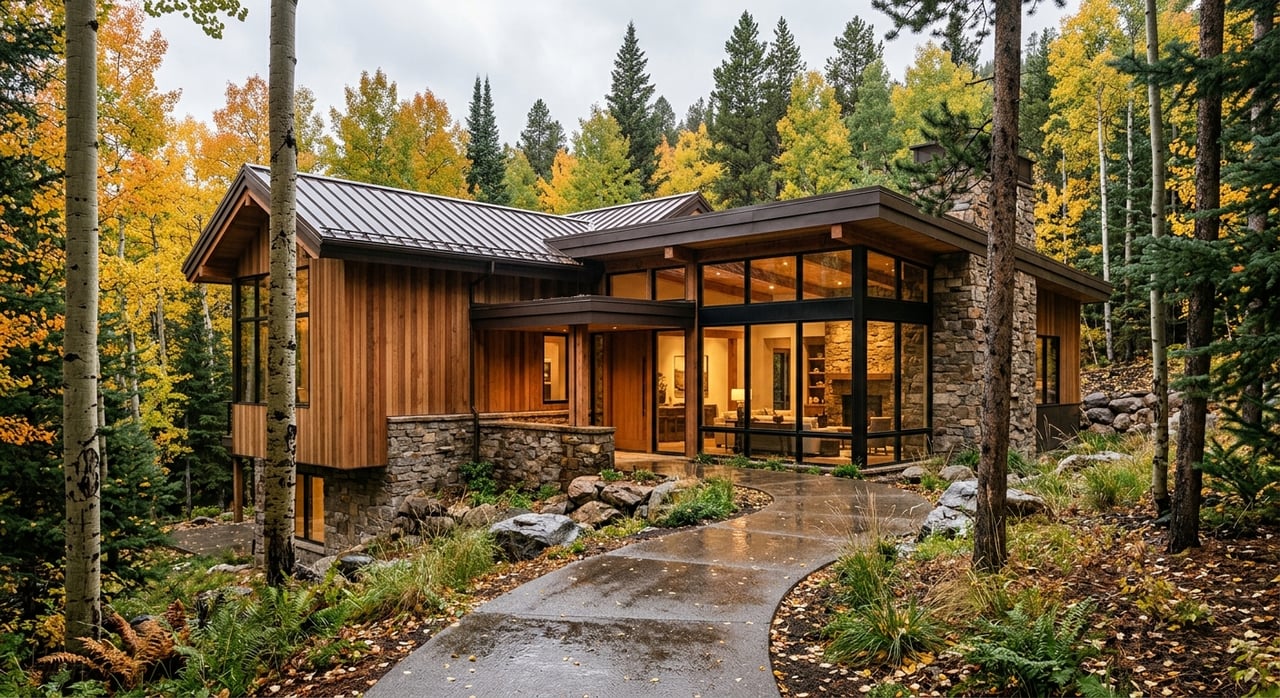
Wondering whether Park City works as a full-time home and not just a vacation escape? That is a smart question to ask before you make a move. If you are thinking about living here year-round, you need more than postcard views. You need a clear sense of daily life, costs, getting around, and what the town feels like in every season. Let’s dive in.
What Year-Round Life Looks Like
Park City offers a rare mix of small-town scale and everyday convenience. The city reports roughly 8,500 full-time residents, and the U.S. Census estimate for July 2024 lists 8,292 residents. That helps explain why it can feel personal and local even though it is known around the world.
This is also a place with a strong year-round identity. According to the City of Park City, it is home to Deer Valley and Park City Mountain and draws visitors in every season. For full-time residents, that means you get access to the amenities of a resort town while still living in a community with a smaller daily footprint.
Climate Shapes Daily Routines
If you are considering Park City as your primary home base, the weather matters. NOAA lists the Park City station at about 6,900 feet elevation, with 1991 to 2020 normals showing January highs and lows of 32.7°F and 15.6°F, and July highs and lows of 80.4°F and 52.9°F. Annual precipitation is 22.39 inches.
In practical terms, you can expect true seasonal living. Winter brings snow, colder mornings, and a need to think ahead for traffic and driving conditions. Summer is mild by mountain-town standards, with cool evenings that many full-time residents love.
For many buyers, that seasonal rhythm is a major draw. If you enjoy a lifestyle that shifts throughout the year, Park City can feel energizing instead of repetitive. If you prefer a more predictable climate with minimal winter planning, that is something to weigh carefully.
Housing Costs Are a Major Factor
Lifestyle fit is important, but budget fit matters just as much. The latest Census QuickFacts show a median owner-occupied home value of $1,757,800, along with median monthly owner costs with a mortgage of $3,360. The same source reports an owner-occupied housing rate of 74.6%.
Those numbers point to a homeowner-heavy market with high ownership costs. For some buyers, that is acceptable because they are prioritizing access to trails, recreation, and a mountain-town lifestyle. For others, it may mean narrowing the home search, adjusting location preferences, or taking a more strategic approach to timing.
This is where local guidance becomes especially valuable. In Park City, the right fit often comes down to balancing lifestyle goals with practical realities like commute patterns, maintenance expectations, and how often you plan to use the home throughout the year.
Getting Around Is Easier Than Many Expect
One of the biggest surprises for new residents is how workable daily transportation can be. Park City Transit is fare-free and has operated since 1975. The city says the system now includes 9 routes, 75 operators, 50 vehicles, and 20 zero-emission electric buses.
In winter, most routes run every 20 minutes, and the system also includes citywide microtransit and express service from Richardson Flat. According to Visit Park City’s transit overview, the free bus system reaches neighborhoods, trailheads, Woodward, Park City Mountain, and Deer Valley, with added connections to the Wasatch Back and Salt Lake City. High Valley Transit also provides fare-free fixed routes and on-demand microtransit serving Kimball Junction, Park City, and Heber Valley.
That does not mean every household can go fully car-free. It does mean many daily trips can be handled without driving, especially depending on where you live and work. If a car-light lifestyle matters to you, Park City is more practical than many mountain communities.
Commuting and Airport Access
For full-time living, convenience matters just as much as scenery. Census QuickFacts report a mean travel time to work of 14.9 minutes, which suggests many residents have relatively manageable local commutes.
Winter, of course, requires more planning. The city publishes a Winter Traffic Peak Day Calendar and recommends avoiding travel between 7:00 to 9:30 a.m. and 3:30 to 6:00 p.m. on peak days. If you are used to flexible scheduling or remote work, that can be manageable. If you need to be on the road at fixed times during ski season, it is worth thinking through that rhythm before you buy.
Another practical advantage is airport proximity. Visit Park City says town is about 35 minutes from Salt Lake International Airport. For remote professionals, second-home owners shifting to longer stays, or anyone who travels often, that level of access is a real benefit.
Remote Work Is Realistic
If your work setup is hybrid or fully remote, Park City checks an important box. Census QuickFacts show that 93.7% of households have broadband subscriptions. That is a helpful sign for buyers who need to stay connected while living in a mountain setting.
Of course, actual service quality still depends on the address and provider. Still, the broader picture is encouraging. You can realistically combine mountain living with a modern work routine in many parts of Park City.
Park City Is Not Just a Ski Town
A common concern among buyers is whether Park City quiets down too much outside winter. The research suggests the opposite. The City of Park City emphasizes live music, local restaurants, and annual events as part of the town’s year-round identity.
Visit Park City highlights live music throughout the year, including the Deer Valley Music Festival, Park City Song Summit, Spring Concert Series, and Concerts on the Slopes. That kind of calendar helps full-time residents stay engaged long after ski season ends.
Main Street also has a warm-weather rhythm. The city’s Dining Deck program began in 2010, allows up to 12 Main Street dining decks, and typically runs from May 1 to October 30. For residents, that adds to the feeling that summer and fall are active, social, and worth savoring.
Arts and Recreation Stay Active
For a town this size, Park City has an unusually strong cultural and recreational mix. Kimball Art Center offers adult classes year-round with new schedules each season. Its annual Park City Kimball Arts Festival features about 200 jury-selected artists and draws roughly 30,000 attendees while supporting exhibitions and educational programs throughout the year.
Park City’s Olympic legacy also adds to daily life. Utah Olympic Park operates as a year-round attraction and training facility with public museum access, an alpine slide, zip lines, and bobsled-track rides. Even if you are not using those amenities every week, they contribute to the town’s active identity.
Outdoor access may be the biggest lifestyle factor of all. The city says Park City and the surrounding area include more than 7,000 acres of preserved open space and over 350 miles of recreational trails. If your ideal day includes a walk, hike, bike ride, or time outside before or after work, that kind of access can shape your routine in a meaningful way.
The Shoulder Seasons Matter
One of the best parts of living in Park City full-time is experiencing the quieter months. Tourism materials frame spring and fall as value seasons, and Visit Park City notes these seasons are often more affordable and come with reduced environmental impact. Their fall content also highlights seasonal color, while the town’s summer positioning points to warmer months as an underrated time to be here.
For residents, shoulder seasons often mean a different pace rather than a lack of activity. Dining, arts programming, and trail access still remain part of everyday life. If you like a town that shifts energy throughout the year, that rhythm can feel balanced and enjoyable.
Who Park City Fits Best
Year-round living in Park City tends to work best if you value access to recreation, cultural programming, and easy airport connections. It can also be a strong fit if you appreciate a smaller community feel and do not mind planning around winter traffic peaks.
It may be especially appealing if you want your home choice to support a specific lifestyle, not just provide square footage. Some buyers are looking for walkable access to town or transit. Others want more privacy, easier trail access, or a home base that supports frequent travel.
The biggest question is whether the trade-offs make sense for you. High ownership costs are real, and seasonal logistics are part of the package. But if the mountain setting, year-round energy, and everyday access to trails and culture match the way you want to live, Park City can be a compelling place to put down roots.
If you are weighing whether full-time living here makes sense for your goals, neighborhood preferences, and budget, The Carollo Real Estate Team can help you evaluate the options with local insight and a concierge-level approach.
FAQs
Is Park City a practical place for year-round living?
- Yes. Park City offers full-time residential living with local amenities, fare-free transit, year-round events, and everyday trail access, but you should also plan for winter traffic and high housing costs.
Is Park City active outside ski season?
- Yes. Official city and tourism sources point to year-round dining, live music, arts programming, outdoor recreation, and seasonal events through spring, summer, and fall.
Can you live in Park City without driving everywhere?
- In many cases, yes. Park City Transit and High Valley Transit make car-light living realistic for many trips, especially depending on your home location and daily routine.
How expensive is full-time homeownership in Park City?
- Census QuickFacts report a median owner-occupied home value of $1,757,800 and median monthly owner costs with a mortgage of $3,360, so cost is an important part of the decision.
Is Park City a good fit for remote work?
- It can be. Census data show 93.7% of households have broadband subscriptions, and the town’s airport access and local commute patterns can support hybrid or remote lifestyles.
How far is Park City from Salt Lake International Airport?
- Visit Park City says Park City is about 35 minutes from Salt Lake International Airport, which is a practical advantage for frequent travelers and part-time commuters.