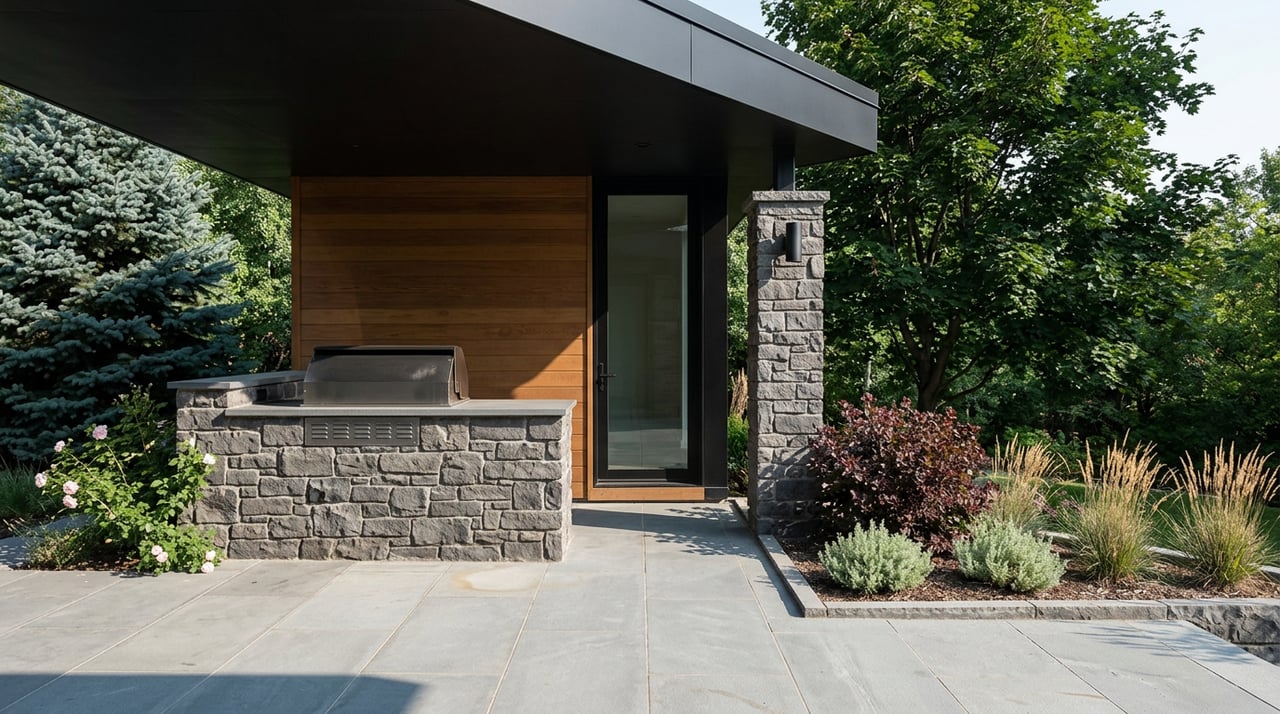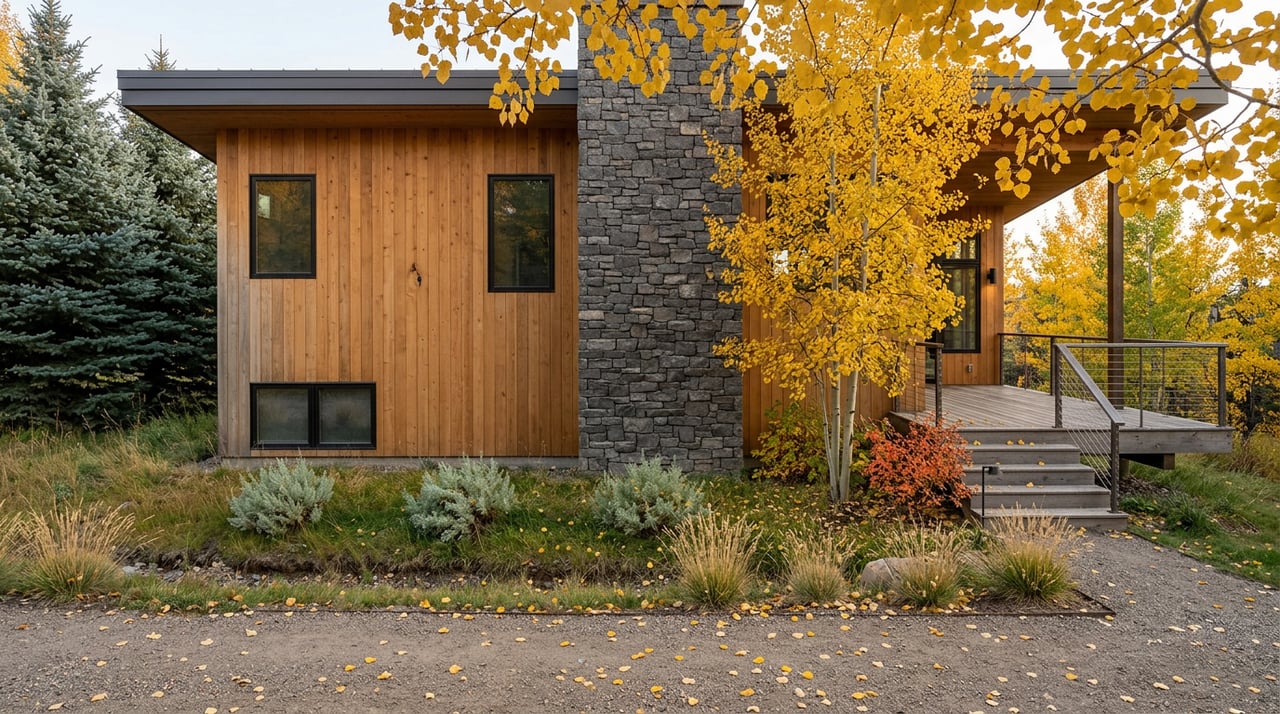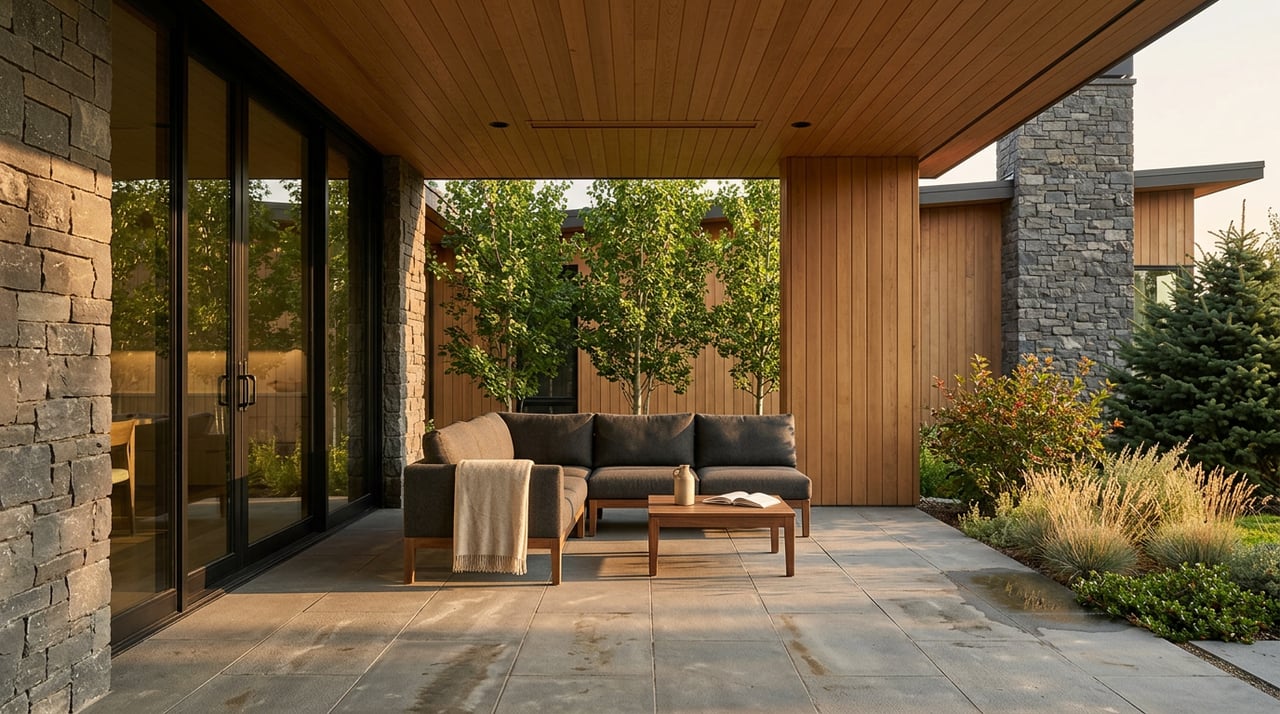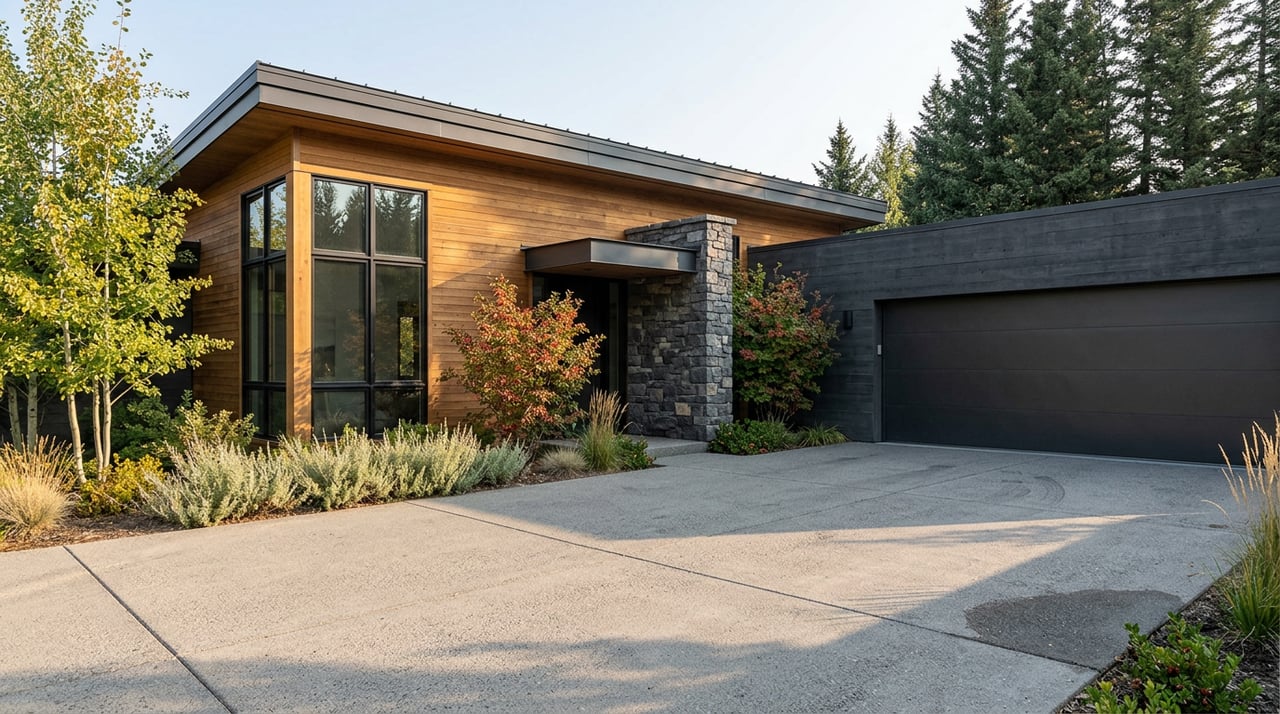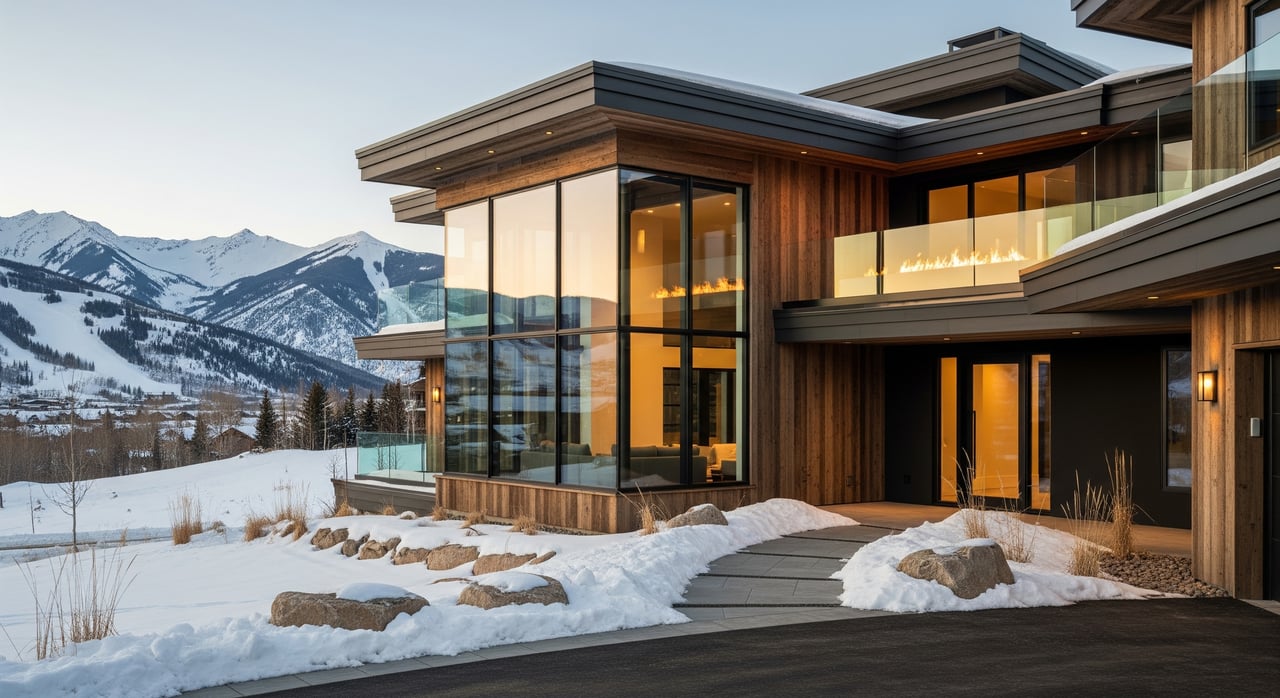
Dreaming about a brand-new mountain home where everything feels fresh, tailored, and ready for your next ski season? Buying new construction in Deer Valley’s East Village can deliver that experience, plus the long-term benefits of modern design and energy performance. At the same time, presales and active builds come with timelines, documents, and decisions that are different from buying a resale. This guide walks you through the steps, from reservation to closing, with practical tips to protect your time, budget, and views. Let’s dive in.
Why buy new in East Village
New construction in a high-demand resort market gives you fresh finishes, modern systems, and alignment with current building standards. In Park City, buyers often care about ski access, mountain views, and proximity to amenities. Those factors drive pricing and resale performance in new projects.
You should also consider the project’s jurisdiction. Rules can differ if a parcel sits inside Park City limits or in unincorporated Summit County. That affects zoning, permitting, and short-term rental rules. Plan to confirm jurisdiction early by referencing planning departments and recorded documents.
How reservations and contracts work
Most new communities follow a reservation-to-contract flow. You place a reservation deposit to hold a lot or unit, then move to a purchase agreement with specific deposits, deadlines, and builder milestones.
Typical deposit schedule
- Reservation deposit: Paid to hold a specific lot or unit. Some developers make it refundable within a set period. Others convert it to earnest money once you sign the purchase agreement. Always confirm refund terms in writing.
- Earnest money: Due at contract. Builders often structure deposits in stages during the build.
- Progress payments: Some contracts call for staged payments as construction advances. Expect a detailed schedule in the purchase agreement.
- Final payment: Due at closing once the home reaches substantial completion and passes required inspections.
Key dates and deadlines
Your purchase agreement should define selection windows, completion estimates, and any rights to cancel. It will also reference recorded CC&Rs, plats, and site plans. Builders may include delay clauses for weather or supply issues. Read these carefully and note how delays affect your rate lock and move-in plans.
Financing for new construction
Financing a presale has a few more steps than a standard resale, so align early with a lender who understands local new construction.
Loan types and rate locks
Many buyers use construction-to-permanent financing that funds draws during the build and then converts to a mortgage at completion. Rate-lock timing matters when builds run many months. Discuss lock options and extension policies with your lender before you sign.
Appraisals for presales
Appraisers look at comparable new builds and developer pricing. Early buyers may see value shifts as the community sells and closes. Ask your lender how the appraisal will consider view quality, ski access, and phase progress in a resort setting.
Selections, allowances, and change orders
Selections are where your new home gets personal. The process runs on deadlines. Missing them can trigger default choices and added costs.
How selections work
Builders commonly offer finish packages and allowances for items like countertops, fixtures, and flooring. You will have a selection window, often measured in weeks from contract date. If you choose upgrades beyond the allowance, the builder will price the difference through a change order that may require additional funds or lender approval.
Managing changes and costs
- Change orders: All changes should be in writing with itemized costs and any schedule impact. Late changes cost more because they can require rework.
- Timing: Once mechanicals or framing are in place, modifications become more complex. Lock in structural and layout choices early to control both time and cost.
- Budget control: Track upgrades against allowances. Ask for running totals that include materials, labor, and any design or engineering fees.
Build timeline and what to expect
Your project will move through design and permitting, site work, vertical construction, systems, finishes, and final inspections.
- Design and permitting: Often 1 to 4 months depending on complexity and review timelines.
- Vertical construction: Typically 6 to 18 months influenced by unit type and season. Mountain weather can extend schedules, especially in winter.
- Substantial completion: Contracts often define substantial completion and list steps to closing, including punch lists and municipal approvals.
Weather and seasonal factors
Mountain climates add real variables. Snow, freeze-thaw cycles, and supply constraints can slow exterior work. Discuss seasonal pacing with the builder and how it may affect completion estimates.
Inspections and punch list
Municipal inspections occur throughout the build. Many buyers also hire independent inspectors at key stages like framing, rough mechanicals, and final walkthrough. Plan your punch list in writing and confirm how the builder will handle scheduling for remedial items.
Protecting your view and future value
Views are a major value driver in resort markets. In many cases, only recorded protections make a view reasonably secure.
What protects a view
- Recorded easements: A view easement recorded on title can define protected sightlines.
- Building envelopes and height limits: Site plans and CC&Rs can limit where and how high a neighbor can build.
- Conserved open space: Dedicated open space that is recorded can help preserve long-term view corridors.
Unless protections are recorded, nearby phases or landscaping may change sightlines over time. Review plats, CC&Rs, and any conservation or view easements before you rely on a view.
How to evaluate site plans
Study the approved site plan, recorded plat, and future phase maps. Look for road alignments, planned building pads, and utility corridors that could affect your outlook. Ask the developer which areas are recorded as open space and whether any view protections will be recorded.
Short-term rental considerations
If you plan to rent your property nightly, confirm the rules early. Short-term rental licensing and transient room tax requirements can vary by jurisdiction. HOA rules also matter and may restrict nightly rentals. Verify municipal or county regulations alongside the HOA’s policy before you buy.
Due diligence checklist
Use this checklist to guide your document review and conversations:
Legal and records
- Recorded plat and final site plan with building envelopes and setbacks.
- CC&Rs, HOA bylaws, design guidelines, and architectural review steps.
- Recorded easements, including utility, conservation, and any view easements.
- Pending or approved future-phase plans for the master development.
- Any transfer fees or special assessments tied to the project.
Construction and technical
- Geotechnical or soils report and planned foundation type for the lot.
- Drainage and stormwater control plans plus snow storage locations.
- Energy and insulation standards and mechanical system specifications.
- Fire-mitigation or wildfire requirements, including roofing and defensible space.
Contractual and financial
- Detailed timeline with a clear definition of substantial completion and delay clauses.
- Deposit and refund schedule with cancellation terms.
- Complete warranty documents and claim process, including any third-party structural warranty provider.
- Any escalation language that could change your price during construction.
Practical access and operations
- Winter access, private vs public road maintenance, and snow removal obligations.
- Parking allocations and guest parking rules.
- Short-term rental policy and required local licensing if rental income is part of your plan.
What to expect from warranties
Most new homes follow a common framework. Expect around 1 year for workmanship and materials, 2 years for major systems like plumbing, electrical, and HVAC, and roughly 10 years for structural coverage, often via a third-party provider. Always review the written warranty for coverage limits, claim steps, and whether it transfers to the next owner.
Ask for manufacturer warranty details for appliances and mechanical equipment. Keep all documents organized for future service calls and potential resale.
How early-phase pricing works
Developers often set lower pricing for early presales to spur momentum and fund construction phases. As the project progresses and closes begin, prices can rise. Early buyers may receive incentives, broader selection, or customization windows. In return, they accept more schedule risk and market movement during the build.
Appraisals and resale value in resort markets are sensitive to view quality, access, and proximity to amenities. Recorded protections and open space can support premiums at resale. Document and verify what makes your lot or unit unique before you price the risk and move forward.
Next steps with a local advisor
- Obtain the reservation agreement and draft purchase contract. Review them with an experienced local advisor and, when needed, a real estate attorney.
- Request and review all recorded documents from the developer and the county recorder. Confirm plats, easements, CC&Rs, and site plans match marketing materials.
- Secure pre-approval with a lender who handles local construction loans and understands appraisals for presales.
- Map out your selection deadlines and budget for upgrades. Lock core choices early to control timeline and cost.
- Schedule independent inspections at key stages and coordinate access with the builder.
- Confirm warranty terms, claim procedures, and transferability before you sign.
If you want a seasoned, concierge-style guide through East Village new construction, we are here to help with due diligence, selections, lender coordination, and on-the-ground oversight for remote buyers. Start a conversation with The Carollo Real Estate Team to plan your path to a new Deer Valley home.
FAQs
How do deposits work for East Village new builds?
- Most builders use a reservation deposit followed by earnest money at contract and staged payments during construction. Always confirm refund terms in writing before you reserve.
What happens if construction is delayed by weather or supply chain issues?
- Contracts often include delay clauses that shift completion dates. Review definitions of substantial completion and how delays affect closing, rate locks, and move-in plans.
Can I customize the floor plan or finishes?
- Early buyers have the most flexibility. Structural changes after framing are difficult and costly. Finish upgrades usually run through change orders that may affect the schedule and price.
How can I protect my view long term?
- Only recorded protections such as view easements, building envelopes, or conserved open space provide meaningful security. Review plats, CC&Rs, and recorded easements before you commit.
What warranties are standard on a new home?
- Many builders offer 1 year for workmanship and materials, 2 years for systems, and about 10 years for structural coverage, often via a third-party provider. Verify the written warranty and transferability.
Can I rent my Deer Valley home nightly?
- Short-term rental rules depend on local jurisdiction and HOA policy. Confirm municipal or county licensing requirements and HOA rules early if rental income is part of your plan.