If your idea of Park City living includes room for horses, wider views, and a little more breathing space, you are not alone. Acreage properties near Park City offer a very different lifestyle from in-town living, but they also come with more moving parts than many buyers expect. From trail access and zoning to water, barns, and day-to-day land care, there is a lot to understand before you buy. Let’s dive in.
Where equestrian acreage clusters
Near Park City, much of the conversation around acreage living starts in the Snyderville Basin. Summit County places areas such as Silver Creek, Pinebrook, Jeremy Ranch, Summit Park, and Old Ranch Road within this planning district, which helps shape how land is used around the Park City side of the county.
Silver Creek stands out in county planning documents as an area with a strong equestrian and large-lot identity. The Snyderville Basin General Plan describes it as containing mostly residential and equestrian uses on large, existing subdivided lots. It also includes zoning categories such as Rural Residential and Hillside Stewardship, with low residential densities tied to acreage.
Trailside also matters for buyers who want a horse-friendly lifestyle close to Park City. County planning materials describe it as the northern portal to the greater Park City area, and it includes Round Valley, a deed-restricted open-space preserve with equestrian, hiking, and cycling trails.
Acreage means more than lot size
One of the biggest misconceptions about acreage property is that there is a simple minimum size for horse use. In reality, Summit County records show horse-related approvals on parcels of 2.53 acres, 6.53 acres, and 10.14 acres. Those examples were site-specific and depended on zoning, intensity of use, and neighborhood context.
That means you should not assume a parcel works for your goals just because it looks large enough on paper. A property’s fit for horses depends on the legal use, existing improvements, access, and how the site relates to surrounding land uses. In this market, acreage is not one-size-fits-all.
Why trail access shapes the lifestyle
For many buyers, equestrian living near Park City is really about access to open space as much as private land. Park City reports more than 7,000 acres of preserved open space and more than 350 miles of recreational trails serving hiking, biking, and equestrian users. That broad system helps define the mountain-ranch feel that attracts buyers to this part of Summit County.
Round Valley is a great example of that connection. Park City describes it as nearly 694 acres of contiguous open space with more than 30 miles of high-desert trails. It is also noted for early and late season riding opportunities, which can be especially appealing if trail time is central to how you plan to use the property.
The trail network also comes with real mountain conditions. Park City notes that trails can reach about 10,000 feet, while the city sits near 7,000 feet, so weather preparedness matters. The city also notes the presence of wildlife such as deer, elk, moose, mountain lions, and occasional black bears, which is important context for both land use and daily routines.
Property features to expect
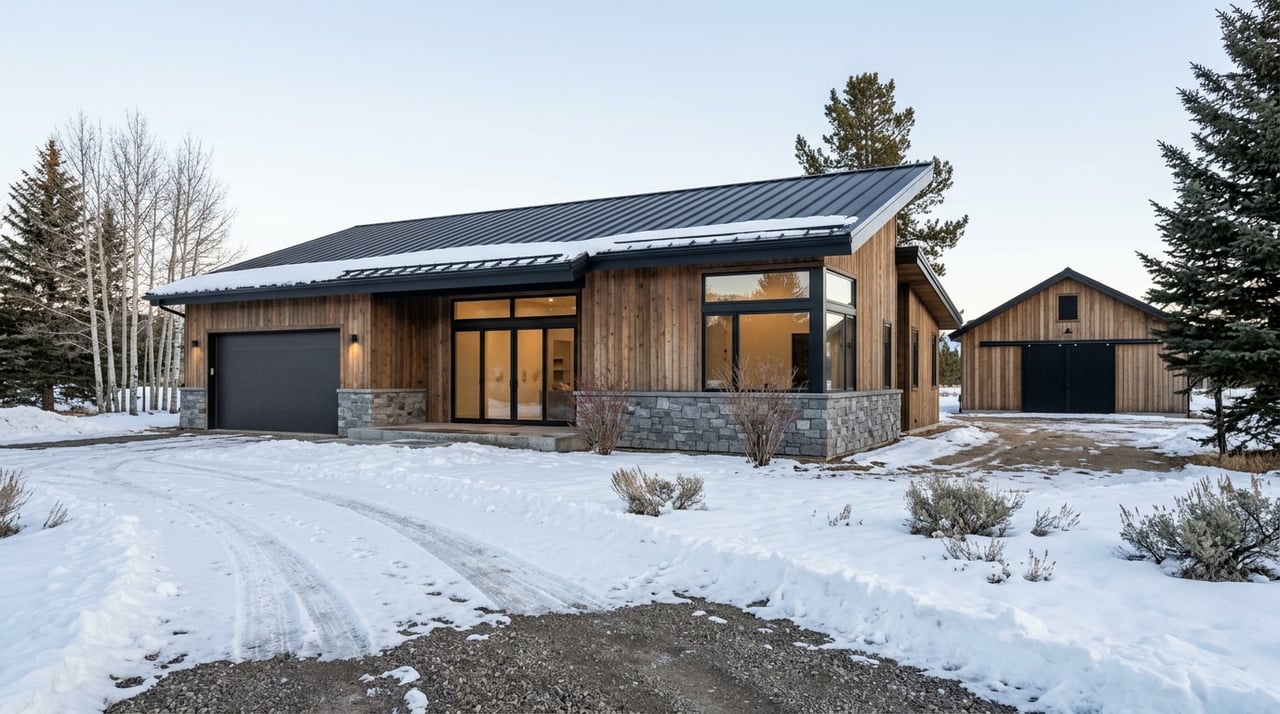
Equestrian acreage near Park City often includes much more than a home and a pasture. County horse-related approvals reference improvements such as barns, riding arenas, stables, and significant stall capacity. In other words, these properties are often set up as working lifestyle properties, not just homes on bigger parcels.
County records describe one facility with three barns, 22 stalls, and a riding arena. Another record references a 1,728-square-foot barn and a 7,400-square-foot riding arena. Another describes a horse-boarding operation on a 2.53-acre parcel with an existing riding arena and stables.
For you as a buyer, that means due diligence should include a close look at accessory structures and how they function today. Barn condition, arena layout, fencing, circulation, storage, and animal-management space can affect both usability and future costs. On larger properties, the infrastructure often matters as much as the house itself.
Zoning should be your first filter
Before you fall in love with a property, confirm which planning district and development code apply. Summit County notes that Snyderville Basin properties around Park City are governed by Title 10, while eastern county properties use Title 11. That distinction can shape what uses are allowed and how approvals are handled.
You should also confirm whether your intended horse use is allowed by right, low-impact, or conditional. A recent county staff report describing the Rural Residential zone says uses such as commercial horse stable and riding academy, commercial horse boarding, wholesale nursery, private recreation and athletic facilities, and agricultural sales may be allowed, low-impact, or conditional in that zone, while they are not allowed in other residential zones.
If the property is within an HOA, review those rules carefully as well. Private community standards can be stricter than county rules on animals, fencing, and related improvements. A property can appear horse-friendly from the road but still face practical limits through private restrictions.
Water and sewage deserve close review
On acreage property, water is one of the most important diligence items. Summit County code for Eastern Summit County requires evidence that adequate water is available before approval or building permits in many cases. The code also requires adequate sewage treatment and dependable water quantity, quality, pressure, and fire-protection capacity for new development.
If a property includes irrigated pasture or relies on a private well or shared system, ask detailed questions early. County code distinguishes between paper water rights and actual wet water, which can make a big difference in how land functions in real life. Existing irrigation patterns and easements may also need to be preserved where surface ditches exist.
For buyers comparing multiple properties, this is where professional guidance can save time. Two parcels with similar acreage can perform very differently depending on water access, infrastructure, and the quality of existing systems.
Building and agricultural structures
If you plan to add a barn, arena, or other outbuilding, do not assume rural land means simple approvals. Summit County’s building department says most construction requires a building permit, though certain agricultural buildings may be exempt. Even then, exempt agricultural structures still must comply with zoning setbacks, height rules, and other laws.
The county also makes clear that an exempt agricultural structure cannot later be converted to residential or other non-agricultural use without obtaining a permit. That matters if you are thinking beyond immediate horse use and considering long-term flexibility. It is one more reason to match the property to your actual goals from the start.
Ongoing land management matters
Acreage living can be rewarding, but it also comes with more hands-on responsibility. Summit County notes that property owners are responsible for identifying and controlling noxious weeds on their land. County materials also identify manure, refuse, and odor as potential health-nuisance concerns that may be enforced by the county health department.
Fencing is another practical issue. In Eastern Summit County, code says new non-agricultural development bordering agricultural land may need to fence out livestock or pay half the cost of fencing. The code also encourages wildlife-friendly fencing in migration corridors, which can shape design decisions on larger parcels.
Wildfire planning should also be part of your thinking. Park City and Summit County both treat wildfire mitigation and defensible space as active priorities in the wildland-urban interface. On larger sites, maintenance plans and landscape choices can have a real impact on both safety and long-term upkeep.
USU Extension also notes that Utah landscapes are often over-irrigated, so water-wise design can reduce maintenance on larger parcels. For buyers who want the lifestyle without unnecessary operational strain, that is a useful lens when evaluating improvements and future plans.
Tax status and agricultural use
If a property is used, or could be used, for agriculture, ask whether it may qualify for Summit County’s Greenbelt or Farmland Assessment Act treatment. Qualifying agricultural property is taxed on productive capability rather than market value. Depending on the parcel and use, that can be an important part of the ownership picture.
You should also ask whether the parcel is in an agricultural protection area. Summit County has a formal application process for that designation, and it can be relevant to how the property is understood and managed over time. These questions are best handled early, alongside zoning and water review.
How to evaluate the right fit
The best equestrian and acreage properties near Park City usually work because the land, legal use, and lifestyle all line up. It is not only about whether there is enough room for a barn or a few horses. It is about whether the code, water, access, trails, fencing, maintenance, and neighborhood context support the way you want to live.
That is especially important in an area where open space and equestrian character are part of the appeal. A neighborhood may have a long history of horse use, but parcel-level verification still matters before you assume your plans will be approved today. Summit County is also updating general plans, so current review is essential.
For buyers looking at legacy acreage, horse property, or a more private mountain lifestyle, local detail makes all the difference. The right property can deliver room to roam, access to trail systems, and a strong sense of place. The wrong one can create unnecessary friction from day one.
If you are exploring equestrian acreage or large-lot opportunities near Park City, The Carollo Real Estate Team can help you evaluate properties with a clear, local, concierge-level approach.
FAQs
What areas near Park City are known for equestrian acreage?
- Near Park City, buyers often focus on parts of the Snyderville Basin such as Silver Creek and areas connected to Trailside and Round Valley, where county planning materials reference large-lot character, equestrian uses, and open-space access.
What lot size do you need for horse property near Park City?
- There is no single standard lot size, and Summit County records show horse-related approvals on parcels of 2.53, 6.53, and 10.14 acres, with approvals depending on zoning, use intensity, and surrounding context.
What should buyers verify before buying acreage in Summit County?
- Buyers should confirm the planning district, zoning, allowed use, HOA rules if applicable, water availability, sewage service, irrigation conditions, fencing issues, and the practical maintenance needs of the land and structures.
Are barns and riding arenas common on Park City acreage properties?
- Yes, county records show that horse-oriented properties may include barns, riding arenas, stables, and significant stall capacity, so buyers should evaluate those structures as part of the property’s overall value and function.
Does trail access matter for equestrian living near Park City?
- Yes, Park City’s open space and trail system is a major part of the lifestyle, with more than 350 miles of recreational trails and Round Valley offering nearly 694 acres of open space and more than 30 miles of trails that include equestrian use.