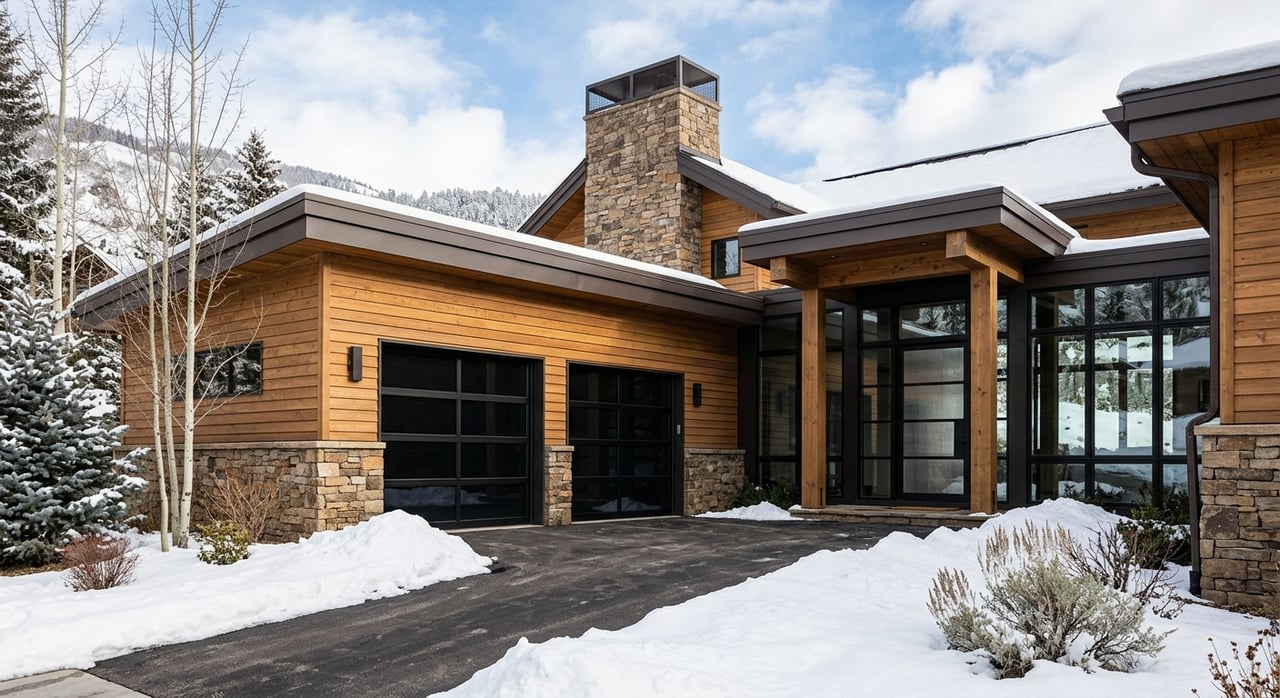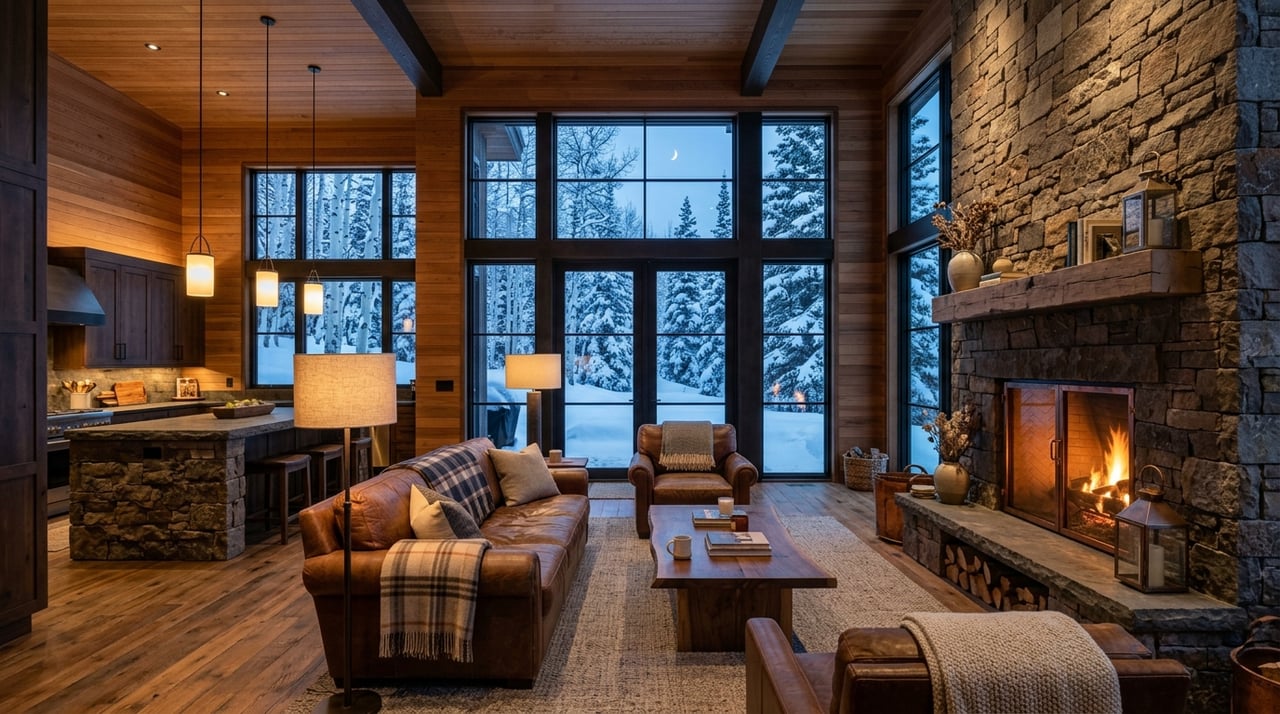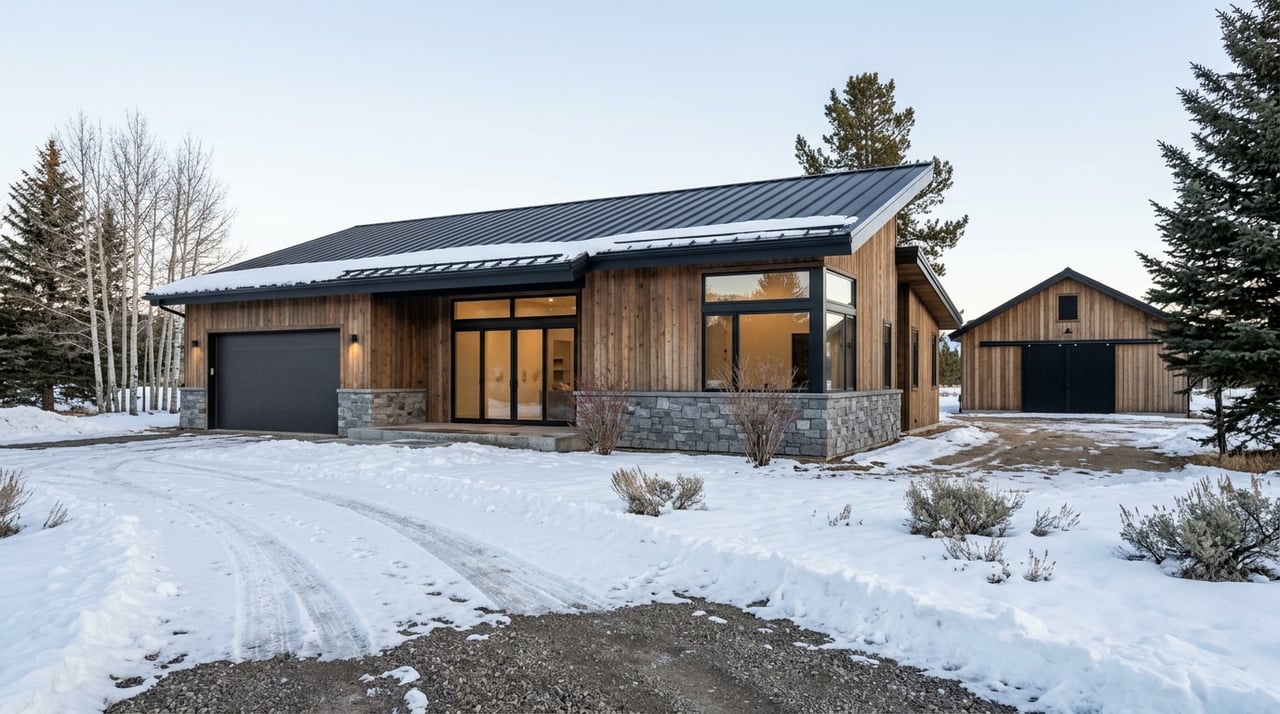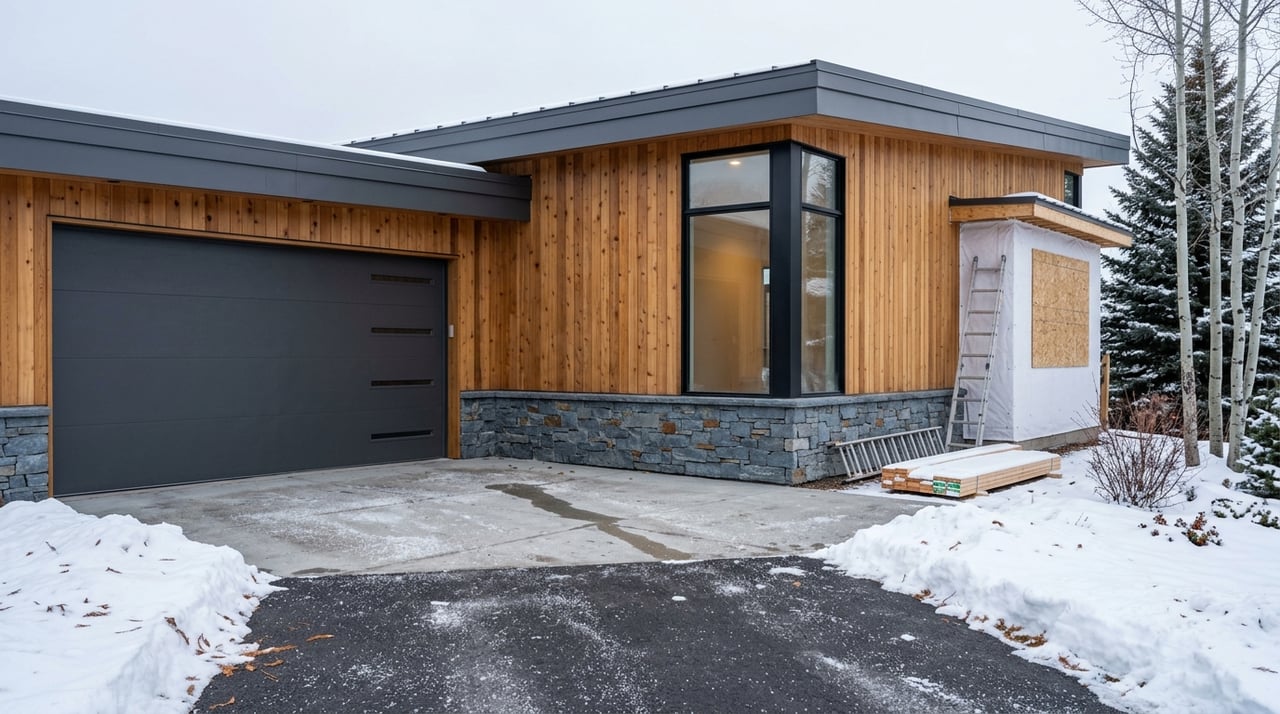
Trying to decide between new construction and a resale home in Park City? It is a smart question, because here the answer is not just about style or age of the home. In Park City, your choice often comes down to how much control you want, how long you are willing to wait, and how comfortable you are with due diligence and local review processes. If you are weighing both paths, this guide will help you compare the tradeoffs clearly. Let’s dive in.
Why the choice matters in Park City
Park City is not a market where new construction and resale feel interchangeable. The city’s 2025 General Plan emphasizes small-town character, open space, natural setting, and historic preservation. Park City also says it has preserved almost 10,000 acres of open space and identifies more than 400 historic sites across two National Register historic districts.
For you as a buyer, that means new construction can be more site-specific and more regulated than in many other places. It also means some resale homes come with context that matters long after closing, especially if you plan to renovate later. In other words, the right choice depends on your timeline, your goals, and how you want to live in Park City.
New construction in Park City
If you love the idea of a more tailored home, new construction can be appealing. In Park City, the building process requires permit application, plan review, and inspections. That process can create more design involvement, but it also adds more steps, more coordination, and often more patience.
Park City requires extensive materials for new-structure submittals. These can include a site plan, survey, landscape plans, construction plans, fire sprinkler plans, sewer district receipt, fire-district clearance, energy-code documentation, structural calculations, a geotechnical report, HOA notification if applicable, and valuation support.
What new construction can offer
New construction often works best if you want a home that feels more aligned with your preferences and site goals. Because the city requires elevations, floor plans, and design criteria up front, buyers often have more control over the home’s design path than they would with a resale property. The exact level of finish and layout selection still depends on the builder, project stage, and contract.
You may also prefer new construction if modern systems matter to you. Many buyers like the idea of a home designed around current codes, energy documentation requirements, and a more current layout. In a market like Park City, that can be especially appealing when you want a cleaner long-term plan for how the home functions.
What to plan for with new builds
The tradeoff is process. Park City’s review process covers architectural design, fire and life safety, mechanical, electrical, plumbing, engineered structural design, site setbacks, and wildland urban interface design. That is a lot to coordinate, and each piece can affect timing and cost.
Hillside lots can add another layer. Park City requires a geotechnical report at initial submittal when lot slope is greater than 15%, and it asks for topographical details when slope is greater than 10%. If you are drawn to view lots or steep terrain, it is wise to build extra room into both your timeline and budget planning.
You should also account for practical items that are easy to underestimate. Construction-mitigation plans, limits-of-disturbance rules, HOA notifications, and in some areas historic-district review can all shape the path forward. If you are buying from out of state or planning a second home, local project oversight becomes especially valuable.
Resale homes in Park City
If you want to see exactly what you are buying before closing, resale may be the stronger fit. A resale home gives you the chance to evaluate the finished property in its current condition, in its current setting, and with its current layout. For many buyers, that certainty is worth more than customization.
Utah’s standard REPC gives resale buyers a broad due-diligence framework. It specifically contemplates review of the home’s physical condition, environmental or geologic issues, roof, walls, foundation, plumbing, electrical, HVAC, insurance availability, water source, property lines, use restrictions, HOA dues, utility costs, and rental or lease obligations.
Why buyers choose resale
Resale usually makes sense if you want a shorter path to occupancy. You can inspect the home as it stands, review disclosures, and make decisions based on what is already there rather than what is still being planned or built. That can be especially helpful if you want to be in Park City by a certain season or need a more predictable move-in window.
Resale can also be attractive if you prefer an established setting. In Park City, that may mean a home with mature surroundings, known access patterns, or a location where the neighborhood context is already clear. If your priority is to understand the property before closing, resale often provides that clarity.
What to watch during resale due diligence
A resale purchase still requires careful review. Under the Utah REPC, the seller must disclose defects known to them that materially affect value and are not discoverable by a reasonable inspection. Buyers also have a final walk-through no earlier than seven days before settlement.
For older homes, there are a few extra items to keep on your radar. Federal law requires lead-based-paint disclosure for homes built before 1978. Utah also requires disclosure of hazardous conditions such as radon gas in the house or well, and the Utah Department of Environmental Quality encourages early disclosure and testing.
In Park City, this can matter more for older resale homes and homes that have gone through prior renovations. If changes were made over time, you will want to understand the current condition clearly. A resale home can offer immediate certainty, but only if your due diligence is thorough.
Historic district considerations
Historic district status matters whether you buy new or resale, but it often becomes more visible with resale homes. Park City has two National Register historic districts, and if a property sits in one of them, future work may involve additional review. That is important if you are buying a home with plans to update, expand, or remodel later.
Park City states that most work in the historic district requires a Historic District Design Review pre-application. Any work modifying historic material requires review by the Historic Preservation Board. If flexibility for future renovations is important to you, this is worth discussing early.
Rental plans need separate verification
If you are buying with rental income in mind, do not assume new construction or resale automatically tells you what is allowed. In Park City, anyone offering lodging for fewer than 30 days must obtain a Nightly Rental License if zoning allows, along with state tax registration and other compliance steps.
That means rental eligibility should be verified separately from the age of the home. You will also want to check HOA rules where applicable. For investors and second-home buyers, this step is too important to leave for later.
Home warranties are not all the same
Buyers sometimes hear “home warranty” and assume it means broad protection. In Utah, a home warranty is treated as a third-party service contract, not the builder or seller. The Utah Insurance Department notes that these products can include exclusions and limitations, and they must be issued by an authorized insurer or recognized surplus-lines carrier.
The Utah REPC also includes an optional home-warranty line item. So whether you are looking at new construction or resale, read the warranty language carefully. It is better to compare the actual coverage than to rely on the label alone.
How to decide between new and resale
For most Park City buyers, this comes down to a simple question: do you want more control, or more certainty?
Choose new construction if you:
- Want more customization potential
- Prefer modern systems and a more current layout
- Can work with a longer planning horizon
- Are comfortable with permit review, inspections, and construction sequencing
- Understand that hillside or regulated sites may add complexity
Choose resale if you:
- Want to move sooner
- Prefer to inspect the finished property before closing
- Value a more established setting
- Want a clearer picture of the home’s present condition
- Are ready to complete thorough disclosure and inspection review
The Park City bottom line
In Park City, the new construction versus resale decision is rarely just about whether a home is brand new or previously lived in. It is more often a timing-and-control decision shaped by local review, site conditions, historic context, and your plans for the property after closing. New construction can give you more say in the design path, while resale can give you more immediate clarity about what you are buying.
The best choice is the one that fits your lifestyle, timeline, and tolerance for complexity. If you want help comparing options across Park City micro-markets, reviewing build potential, or weighing a resale home against a new development opportunity, The Carollo Real Estate Team can help you make a confident, well-informed decision.
FAQs
Should you choose new construction or resale in Park City?
- New construction generally fits buyers who want more customization and can handle a longer timeline, while resale often fits buyers who want to inspect the finished home and move sooner.
What makes new construction in Park City more complex?
- Park City requires permit application, plan review, inspections, and extensive submittal materials, and hillside lots may require added geotechnical and topographical documentation.
What should you review when buying a resale home in Park City?
- You should review seller disclosures, title documents, HOA documents if applicable, and the home’s condition, systems, property lines, restrictions, utility costs, and any rental or lease obligations.
Do historic districts affect Park City homebuyers?
- Yes. If a property is in one of Park City’s historic districts, future work may require a Historic District Design Review pre-application or review by the Historic Preservation Board.
Can you use a Park City home as a nightly rental?
- You need to verify that zoning allows it and confirm licensing and compliance requirements, because a Nightly Rental License is required for lodging of fewer than 30 days where permitted.
Are home warranties the same for new and resale homes in Utah?
- No. In Utah, a home warranty is a third-party service contract that may include exclusions and limitations, so you should review the coverage terms carefully in either type of purchase.