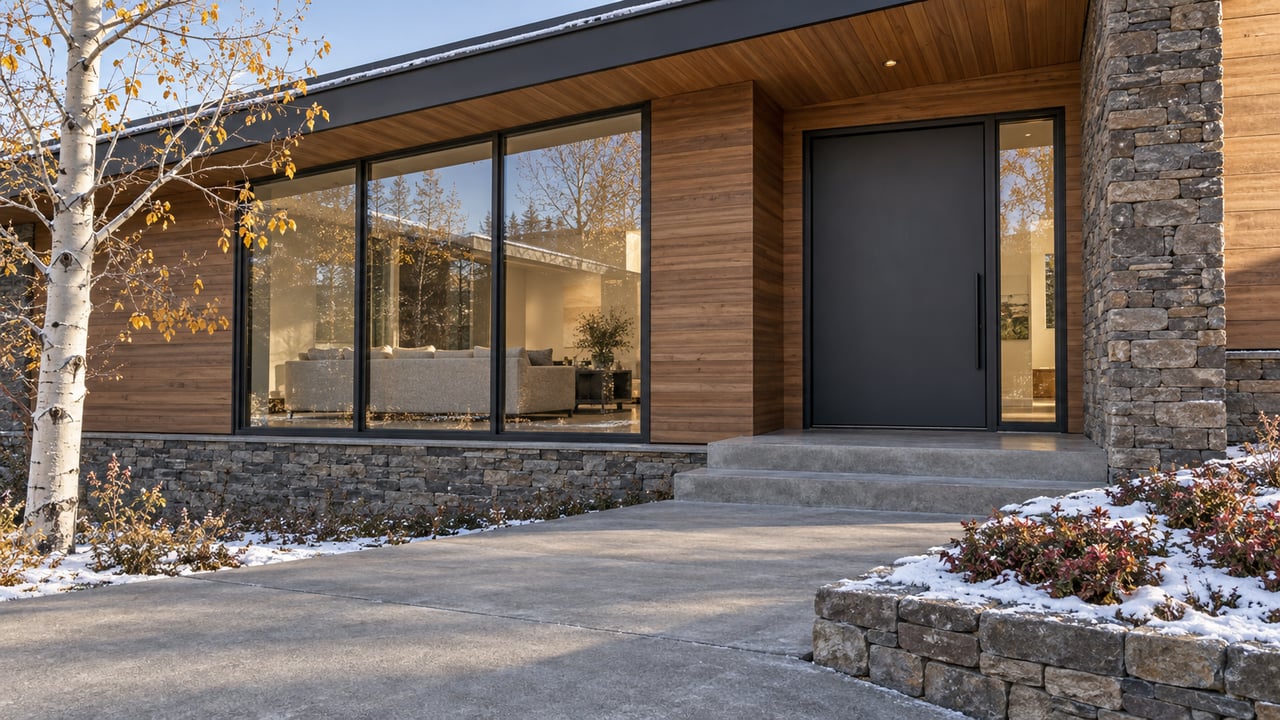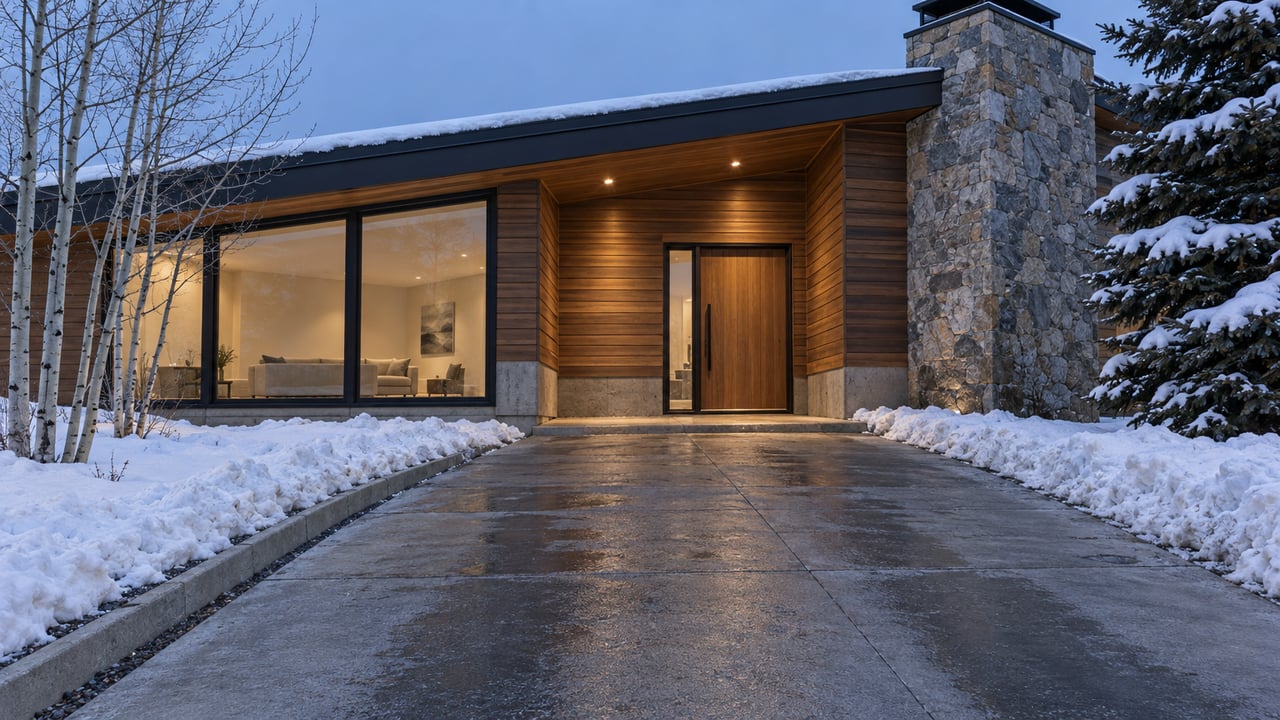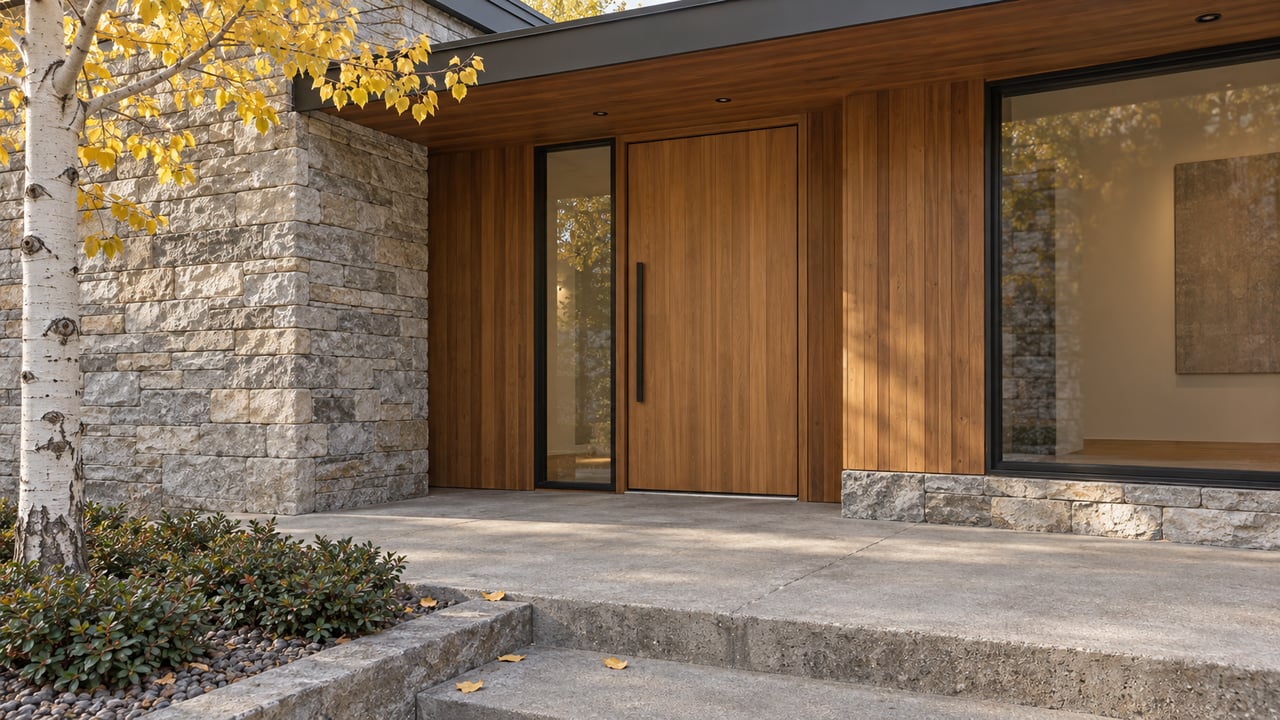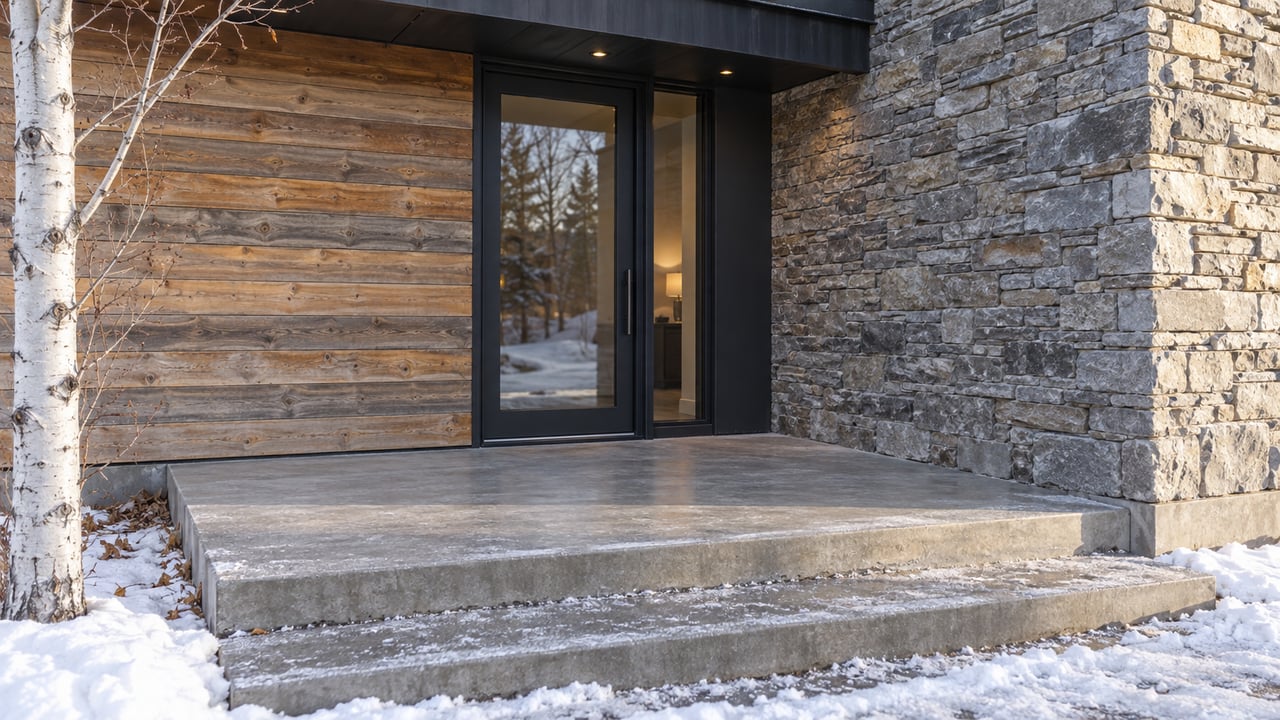
A couple closes on a house in Prospector in late September. The seller had lived there full time for eleven years, and the property tax line on the settlement sheet reflected that. Then the November bill arrives, and it's nearly double what the seller was paying for the exact same house.
Nothing went wrong. Nobody made a mistake on the title. This is simply how Summit County's property tax system is built. The moment ownership changes hands, the county strips the primary residence exemption off the parcel and starts treating it as a second home, full stop, until the new owner proves otherwise. If you're closing on a home anywhere in Park City this fall, whether it's your only house or your third, that reset is the single most predictable surprise waiting in your first year of ownership.
The Default Nobody Warned You About
KPCW reports that Utah's primary residential exemption has been part of the state constitution since 1982. The Utah State Tax Commission says the exemption cuts the taxable value of a primary residence by 45 percent, so a full-time owner pays county tax rates on 55 percent of market value instead of the whole amount. Summit County says that a second home, a vacation property, or a nightly rental gets none of that relief. It's taxed on 100 percent of value.
That gap is not small. On a home worth several million dollars, the difference between the 55 percent number and the 100 percent number can run into the tens of thousands of dollars a year. Roughly 60 percent of Summit County's property tax revenue comes from second homes, which is part of why the county's overall effective rate looks so low on paper even though the dollar bills themselves rank among the highest in the state.
Here's the part that catches buyers off guard: The Park Record reports that Summit County is one of only five counties in Utah, alongside Wasatch, Washington, Kanab, and Grand, that requires every homeowner to actively apply for that exemption rather than granting it automatically. By default, every parcel is coded as non-primary. Summit County Assessor Stephanie Poll has said plainly that whenever a property changes ownership, the exemption is removed, and the new owner has to file to get it back. There is no grandfathering it in from the previous owner, no matter how long they lived there.
Two Deadlines, and They Don't Agree
If you're trying to figure out exactly when you need to file, you'll run into a genuine inconsistency in the public record, and it's worth understanding rather than guessing past.
The Summit County Treasurer's published 2026 calendar lists September 15 as the deadline for primary residence exemption applications, the same date as the deadline to appeal a property's assessed value. That date has already passed as of this writing. But Assessor Poll has also described a separate local ordinance that extends the exemption filing window specifically to November 30, weeks after most counties close their books, precisely so new homeowners have more time to get the paperwork in. Those two sources don't fully square with each other, and the honest answer is that a buyer shouldn't assume either date applies to their specific parcel without confirming directly with the assessor's office.
The rest of the annual calendar is more consistent across sources:
- Valuation notices go out, showing the assessor's estimate of market value and whether the primary residence exemption is currently applied.
- Tax bills are expected to be mailed by October 25, according to TownLift.
- Payment is due January 31 of the following year to avoid penalties and interest.
If you're closing on a Park City property this fall, you are stepping into the middle of this calendar, not the start of it. The valuation notice for the year has already gone out under the seller's name and exemption status. Your bill in October or November will reflect whatever classification the county has on file the moment your deed records, which for a fresh purchase is almost always going to default to non-primary.
The Bill That Almost Rewrote the Math
This isn't a static rule that's been sitting untouched since 1982. During the 2026 General Session, Representative Jill Koford introduced HB161, a bill that BioUtah's bill tracker says would have raised the primary residential exemption from 45 percent to 60 percent statewide. The logic behind it was straightforward: residential values have climbed faster than commercial values in recent years, shifting more of the property tax burden onto homeowners, and raising the exemption would have shifted some of that weight back toward commercial property and second homes.
Summit County officials were watching it closely. KPCW reported that Deputy County Manager Janna Young noted publicly that while a bigger exemption would help full-time residents, it would also push more of the tax burden onto the commercial sector and onto second-home owners specifically.
The bill didn't make it. After being assigned to the House Revenue and Taxation Committee in late January, HB161 was returned to the Rules Committee on March 2, 2026, which effectively ended its path forward for the session. The exemption stays at 45 percent. For anyone underwriting a Park City purchase this year, that means the tax math in this article is the math you should budget against, not a number that's about to shift underneath you.
Assessor Poll has talked about the effort her office puts into getting homeowners to actually claim the exemption once they qualify, going as far as stamping notices with a simple line: live here full-time, lower your taxes. The mechanism works. The problem is that it only works if someone remembers to file.
Why This Isn't Only a Second-Home Story
It's tempting to file this away as a concern only for out-of-state buyers picking up a ski condo. The reporting says otherwise. A KPCW investigation earlier this year found that roughly 16 percent of Summit County's deed-restricted affordable homes, the ones managed through Park City Municipal's housing programs, Mountainlands Community Housing Trust, or Habitat for Humanity, were still classified as non-primary and taxed like second homes. In nearly every case, the owner genuinely lived there full time. They simply hadn't returned the declaration paperwork the county sends after a sale.
The dollar amounts in those cases were smaller than a luxury purchase, but the mechanism was identical. One homeowner described her tax bill running about $1,200 a year when it should have been closer to $600, money she said covered roughly six months of car insurance. The system doesn't distinguish between a family buying their first home in Kamas and someone closing on a legacy property in The Preserve. Every deed transfer resets the classification to non-primary, and every owner is responsible for proving otherwise.
What This Means If You're Closing This Fall
For a full-time buyer, filing promptly after closing is the single highest-leverage paperwork task on your list, worth more to your annual budget than almost any other administrative step in the purchase. For a second-home buyer, the 100 percent classification isn't a penalty or an oversight, it's simply the standing cost of the model, and it belongs in your carrying-cost math from day one rather than as a surprise line item in November.
A few practical steps either way:
- Confirm your exemption status directly with the Summit County Assessor's Office rather than relying on what the seller was paying, since that status does not transfer.
- If you intend to live in the home full time, plan to hold a Utah driver's license or state ID at that address and expect to document 183 or more consecutive days of occupancy.
- Watch your mail. The county sends the application as a courtesy after any ownership change, again with the July valuation notice, and again with the November tax bill. It's easy to mistake for junk mail if you're not looking for it.
A Few Direct Questions
Does the exemption automatically transfer if the seller had it? No. Ownership changes remove the exemption from the parcel. The new owner has to file to have it restored.
How much difference does the exemption actually make? A primary residence is taxed on 55 percent of market value. A second home is taxed on the full 100 percent. On an identical property, that roughly doubles the annual bill for the non-primary owner.
Is the 45 percent figure likely to change soon? Not this year. A 2026 legislative proposal to raise it to 60 percent died in committee in March. The current split stands for the foreseeable future.
If you're weighing a purchase in Park City, Deer Valley, the Canyons, or anywhere in Summit or Wasatch County and want a clear picture of how a specific property's tax classification and carrying costs actually pencil out before you write an offer, Alana Carollo can walk through the numbers with you and help you get the paperwork right from the start. Get My Valuation.
This article is general information, not legal, tax or financial advice. Consult a qualified professional about your situation.