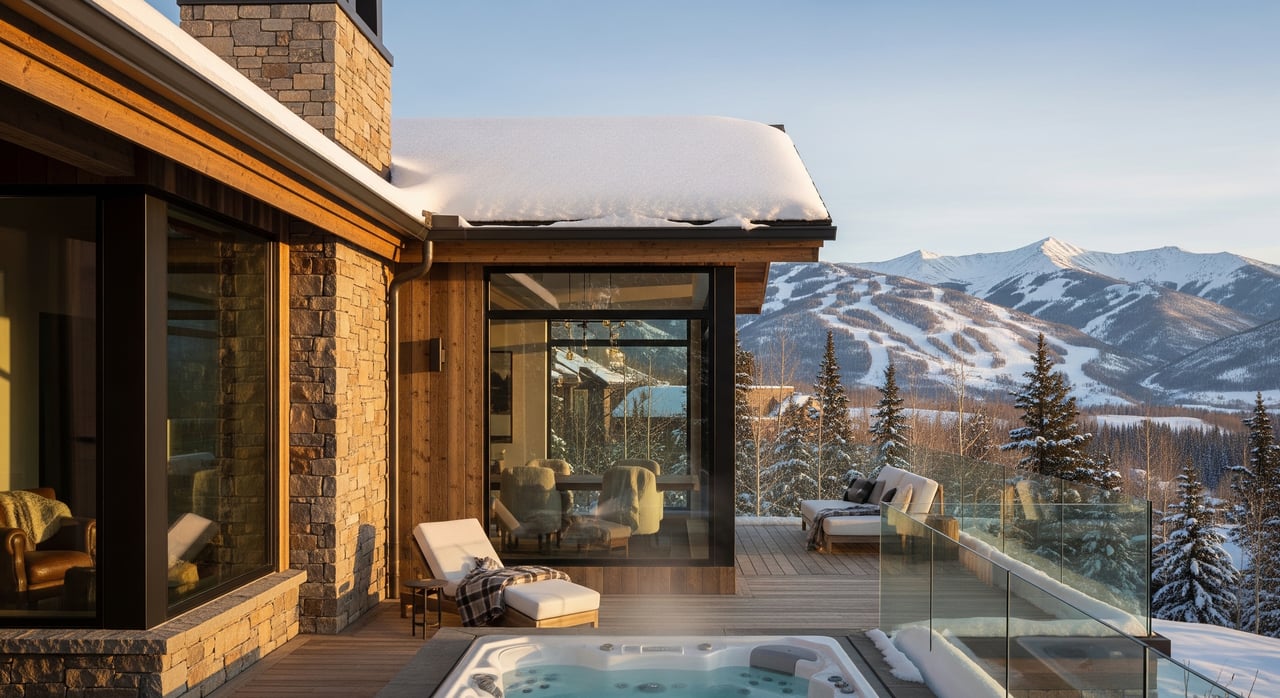
Picture this: you land in Salt Lake City in the morning, sip a coffee on Main Street by lunch, and click into your skis that afternoon. In summer, you swap ski boots for a mountain bike and end the day on a patio with sunset alpenglow. If you’re weighing a Park City second home, you want both the dream and the details. This guide walks you through how the seasons flow, what lock-and-leave ownership really takes, how short-term rentals work, and the questions to ask before you buy. Let’s dive in.
Why Park City works for second homes
Easy access and four seasons
You can typically reach Park City from Salt Lake City International Airport in about 35 to 45 minutes in good conditions. That short transfer is a major advantage for weekenders and seasonal residents. Once you arrive, you have true four-season appeal with world-class skiing, a deep trail network, golf, and high-alpine summers.
Resort amenities and events
Park City Mountain and Deer Valley anchor winter. Summer brings hiking, mountain biking, outdoor concerts, and family-friendly programming. The calendar stays lively with cultural events like the Sundance Film Festival in January and a robust mix of summer festivals.
How you might use your home
Winter rhythm
From late November through early April, most owners log the highest use. Expect long weekends, holiday weeks, and multi-week stays. Sundance in January adds energy and demand across town, with busier restaurants and more traffic.
Summer rhythm
June through September is the other sweet spot. Many owners build annual family time around trails, lakes, golf, and cool evening temps. Weekly summer visits are common if you prefer warm-weather recreation.
Shoulder seasons
Spring melt and late fall are quieter. Weather can be changeable, which makes these months ideal for maintenance, light renovations, or hosting friends without peak-season crowds. In some mountain microclimates, lingering snow can affect access.
Owner profiles
- Weekend owners rely on local services for cleaning, stocking, and snow removal. They prioritize simplicity and quick turnarounds.
- Multi-week seasonal owners often build stronger relationships with housekeepers, concierges, and vendors.
- Investor-host owners mix personal use with short-term rentals when regulations and HOA rules allow.
A winter weekend vignette
You fly in Friday, your driveway and walkway are already clear, and the thermostat warmed the home before you arrived. After skiing Saturday, a hot-tub tech has the water perfect. Sunday you leave the fridge tidy, switch thermostats to away mode, and your property manager schedules a post-storm roof and gutter check. That is the essence of lock-and-leave.
Lock-and-leave basics
Security and remote monitoring
Smart locks, video doorbells, and monitored alarms give you visibility from anywhere. Many owners pair tech with periodic in-person check-ins from a property manager or caretaker.
Winterization and snow management
Consistent winter prep protects your home. Common steps include pipe insulation, remote thermostats, controlled heat in cold snaps, and scheduled snow removal for roof, walkways, and driveways. Heated driveways and gutter systems are common in resort neighborhoods.
Property management options
- Full-service property managers can handle bookings, cleaning, maintenance, and guest services if you rent or visit infrequently.
- Concierge and housekeeping services work well if you visit often but want help with turnover, stocking, and on-demand requests.
- Plan for premium pricing compared with non-resort areas, and book reliable vendors before peak season.
Utilities, systems, and insurance
Mountain homes benefit from zoned HVAC, remote access, and backup procedures for winter storms. Steeper mountain roads call for snow tires or all-wheel drive, and scheduled plow service is essential. Review insurance for replacement cost assumptions, seasonal vacancy clauses, and local hazards such as heavy snow and wildfire risk in certain areas.
Renting your home responsibly
What to know about short-term rentals
Park City and Summit County regulate short-term rentals. Many properties require a business license or STR permit, and owners who rent must collect and remit applicable lodging and transient taxes. Some neighborhoods and developments restrict or prohibit STRs through HOA covenants. Compliance affects occupancy, operating costs, and valuation, so confirm current rules before relying on rental income.
Verify before you list
- Check city or county STR rules for your specific address and property type.
- Review HOA documents for rental restrictions or minimum-stay requirements.
- Confirm tax obligations for transient occupancy or room taxes at the county and state levels.
- Align your property management plan with the legal framework.
Costs, taxes, and financing
Property taxes, HOA fees, and assessments
Summit County assessments reflect market conditions, and resort-area values often run higher than the state average. Many condominiums and private resort neighborhoods include HOA fees that cover amenities, building maintenance, staffing, and snow removal in common areas. If you rent, expect to collect and remit lodging or resort taxes on rental nights.
Income taxes and rental rules
Mortgage interest on a qualified second home may be deductible under current IRS guidelines, subject to limits and your personal tax situation. Rental income is generally taxable. A commonly cited IRS rule allows up to 14 days of rental in a year without reporting the rental income, but classification of the property and your overall tax treatment depend on the balance of personal and rental days. Consult a CPA familiar with vacation-rental rules in Utah and Summit County.
Financing and ownership structures
Lenders view second homes differently than primary residences and investment properties. Down payments and qualification standards can be more stringent, and terms may vary for out-of-state buyers. Some owners use LLCs or trusts for liability or estate planning, which can affect underwriting, insurance, and tax treatment. Cash purchases are common in high-end resort markets. Engage your lender and legal counsel early to choose the right path.
Neighborhoods and lifestyle fit
Old Town and Main Street
You get walkable access to restaurants, shops, and a lively year-round scene. This convenience can come with higher street activity and parking considerations. Many buyers who prioritize dining and culture choose this area.
Resort communities
Deer Valley, Canyons, and several private enclaves offer on-mountain access, privacy, and robust amenities. HOA fees tend to be higher, and the experience is more resort-centered. These neighborhoods appeal to owners who value ski convenience and a quieter residential feel.
Mountain subdivisions
Away from town centers, you get scenic settings and more seclusion. Steeper roads may require winter driving skills and consistent plow service. If you like nature and space, this can be a strong fit with the right access plan.
Travel, services, and seasonal tradeoffs
Getting here and around
Airport connectivity is a major plus, but travel around peak holidays and during Sundance can be slower. Local highways are plowed regularly. In larger storms, expect delays and plan vehicle readiness for mountain conditions.
Weather and wildfire considerations
Heavy snow years require reliable snow removal and periodic roof and gutter checks. In drier seasons, foothill and mountain areas can face wildfire risk. Create defensible space and confirm coverage with your insurer.
Service availability and labor
Park City delivers strong dining, retail, and medical services. Some specialty medical care or retail needs may require a trip to Salt Lake City. Labor availability and cost can fluctuate with seasonal demand.
Operational checklist for buyers
Use this list to plan your second-home setup and ownership routines.
- Confirm STR eligibility, licensing steps, and tax obligations before assuming rental income.
- Review HOA covenants for rental rules, pet policies, parking, and exterior standards.
- Map your winter access plan: driveway slope, plow service, and vehicle preparedness.
- Establish a vendor team: property manager, housekeeping, snow removal, HVAC/plumbing, hot-tub, and a backup contact.
- Install remote monitoring: smart locks, cameras, thermostats, and water-leak sensors.
- Budget carrying costs: insurance, utilities, HOA fees, seasonal maintenance, and management.
- Schedule seasonal maintenance windows in shoulder seasons to avoid peak vendor delays.
- Align financing and ownership structure with your lender, attorney, and CPA.
Questions to ask before you buy
- How many weeks per year do you realistically plan to use the home across winter and summer?
- What level of snow management will your driveway, roof, and walkways require in a heavy winter?
- If you plan to rent, what are the actual licensing steps, HOA limits, and tax remittance requirements?
- Which neighborhood best matches your lifestyle priorities: walkability, ski access, privacy, or acreage?
- What is your plan for on-call maintenance and emergency response when you are out of state?
- Do your insurance and loan terms match the property’s use pattern and local risks?
Owning a second home in Park City is a blend of alpine adventure and thoughtful planning. With the right neighborhood, a solid vendor team, and a clear approach to regulations and maintenance, you can enjoy a smooth, turnkey experience season after season. If you want a local, concierge-style partner to help you evaluate neighborhoods, line up vendors, and navigate the process from search to closing, connect with The Carollo Real Estate Team.
FAQs
How often do Park City second-home owners typically use their homes?
- Many owners plan 4 to 8 or more weeks per year, usually concentrated in peak winter and summer.
Can you legally rent out a Park City second home on a short-term basis?
- Often yes, but it depends on local STR licensing, HOA rules, and tax obligations that you must verify for your address.
What does a lock-and-leave setup in Park City usually include?
- Remote monitoring, property management check-ins, winterization, and reliable snow removal and maintenance vendors.
Are there special financing considerations for out-of-state second-home buyers?
- Lenders can require larger down payments and specific underwriting for second homes and resort properties.
How do taxes work if I rent the home part-time?
- Rental income is generally taxable, and a commonly cited 14-day rule may apply; consult a CPA for your situation.
What insurance issues should I plan for with a mountain second home?
- Coverage should reflect replacement costs, seasonal vacancy clauses, and local risks like heavy snow and wildfire.