What if your favorite part of living in Park City was not just the view, but the fact that the trail starts close to home? For many buyers, that is the real draw of this market. If you are thinking about a move here, understanding how trail access works day to day can help you choose a home that fits your lifestyle, your routine, and every season. Let’s dive in.
What Trail-Network Living Means
In Park City, trail access is not a small bonus. It is a defining part of how many people use the area year-round. Park City says the region includes more than 7,000 acres of preserved open space and more than 350 miles of recreational trails, supported by Park City Municipal, Snyderville Basin Recreation, Mountain Trails Foundation, and local resorts.
That scale shapes everyday life in a way that feels different from many mountain towns. You are not just choosing a home near recreation. You are often choosing how you want to move through your day, whether that means walking to a trail, biking from your neighborhood, or using transit to reach higher-elevation routes.
It is also important to remember that Park City sits at about 7,000 feet in elevation. That affects snow retention, trail conditions, and how early or late certain areas are usable. In other words, trail living here is highly seasonal, and the best fit for you depends on what you actually want to do most often.
Park City Access Looks Different by Area
One of the most important things to know is that trail access can mean very different things from one neighborhood to the next. In some areas, it feels like true doorstep access. In others, it means a short walk to a trailhead or a transit-assisted connection.
Understanding those differences can help you avoid a common mistake. A home may sound close to trails on paper, but the daily experience can vary based on terrain, parking, season, and the type of trail nearby.
Old Town and Lost Prospector
Old Town is one of the clearest examples of trail living tied to a walkable downtown setting. Mountain Trails notes access from Daly Avenue and the Ontario Mine Trailhead, while Lost Prospector connects to the Rail Trail.
This area appeals to buyers who want trail access paired with easy access to Main Street and daily conveniences. You can enjoy a more connected, in-town lifestyle while still being close to outdoor routes.
Winter use here comes with some tradeoffs. Mountain Trails says these trails are not groomed in winter, though traffic often packs them down. You should also expect icy patches and be aware that avalanche hazards may be possible in some conditions.
Round Valley, Park Meadows, and Quinn’s Junction
If you want versatile, everyday trail use, this is one of the most practical areas to watch. Park City identifies the Park City Sports Complex at Quinn’s Junction as adjacent to Round Valley and a trailhead, and Visit Park City places the Round Valley Way Trailhead in the Park Meadows area.
Park City describes Round Valley Open Space as 694 acres of contiguous open space. The city also highlights beginner-friendly wide soft-surface options like Hat Trick and Fast Pitch, with progression to Practice Loop singletrack.
For many buyers, this area works well because it supports a wide mix of activities in one place. Hiking, biking, Nordic skiing, dog walking, and family use can all fit into the same routine, which makes it one of the strongest lifestyle matches for year-round trail users.
Willow Creek and North-End Access
Willow Creek works more like a north-end trail corridor than a single neighborhood amenity. Mountain Trails says this area stretches between Park City and Kimball Junction, allowing point-to-point travel in either direction.
The most popular trailhead is Willow Creek Park, which has parking and bathroom facilities. The city’s paved-pathway map also places Willow Creek Park alongside other key city nodes, showing how trail access here supports everyday circulation as much as recreation.
This area may appeal to buyers who want strong connectivity without needing a more resort-focused or historic setting. It can be a practical choice if you value easy movement across the broader Park City area.
Canyons Village and Utah Olympic Park
For resort-adjacent living, Canyons Village and the Utah Olympic Park area deserve close attention. Mountain Trails describes a mix of routes here, including Mid Mountain, Holly’s, and UOP trails.
Holly’s climbs from Canyons Village to Mid Mountain, while UOP trails weave through the ski jump and bobsled complex. This creates a different feel from lower, more open systems like Round Valley.
This area also reflects Park City’s recreation culture in a very tangible way. Mountain Trails notes the 43-acre fenced Run-a-Muck off-leash area here, which may matter if your household includes a dog and you want trail access that supports that routine.
Summit Park and Discovery Ridge
Summit Park and Discovery Ridge are best understood as higher-elevation, more rugged trail environments. Mountain Trails says the terrain south of I-80 is steeper, more heavily treed, and reaches elevations up to 8,600 feet.
That higher elevation often means cooler summer conditions and snow that holds longer through the season. For some buyers, that is a major lifestyle advantage.
It also changes the day-to-day experience. These areas are typically better suited to people who are comfortable with stronger wayfinding, more advanced terrain, and added winter awareness.
Seasonal Reality Matters
Trail living in Park City is never the same in July as it is in January. That is part of the appeal, but it is also something buyers should think through before deciding where to focus.
In winter, Park City points users toward Round Valley Open Space, White Pine Nordic Center, and Basin Recreation groomed trails. The city also notes that ski-resort operations and neighborhood snow storage can reduce parking availability at popular trailheads.
During shoulder seasons, conditions can change quickly. The city asks users to respect posted signs and avoid damaging muddy or packed surfaces. If your ideal lifestyle includes frequent trail use, your best neighborhood may be the one that gives you the most reliable access across changing conditions, not just the closest route in summer.
Parking and Transit Shape Daily Use
In many places, living near trails means driving to a trailhead anyway. In Park City, that is not always the best plan.
The city specifically encourages people to consider walking, biking, carpooling, or public transit before driving to a trailhead. Mountain Trails also notes that some neighborhood trailheads are not recommended as parking points because access can be more complicated than it appears.
Park City Transit plays a meaningful role in this lifestyle. The system offers bike racks on buses, allows bikes on board when space permits, and includes Trail Service to select higher-elevation trailheads.
That means the right home for you may not be the one with the shortest drive. It may be the one that gives you easier walkability, better pathway connections, or simpler transit access to the places you actually want to use.
Trail Rules Affect Home Fit
Buyers often focus on distance to a trail and forget to ask a more important question. Does the nearby trail support the way your household actually recreates?
Park City says dogs are allowed with exceptions, leashes are required at trailheads, and off-leash use is allowed only where posted. The city also says Class 1 and Class 2 e-bikes are allowed on hard- and soft-surface doubletrack, but not on singletrack except for limited courtesy-tag exceptions. Class 3 e-bikes are not allowed on trails or pathways.
Those details matter more than they may seem at first. If you walk a dog daily, prefer wide doubletrack, or rely on an e-bike for part of your routine, one trail-adjacent location may fit much better than another.
Home Features That Support the Lifestyle
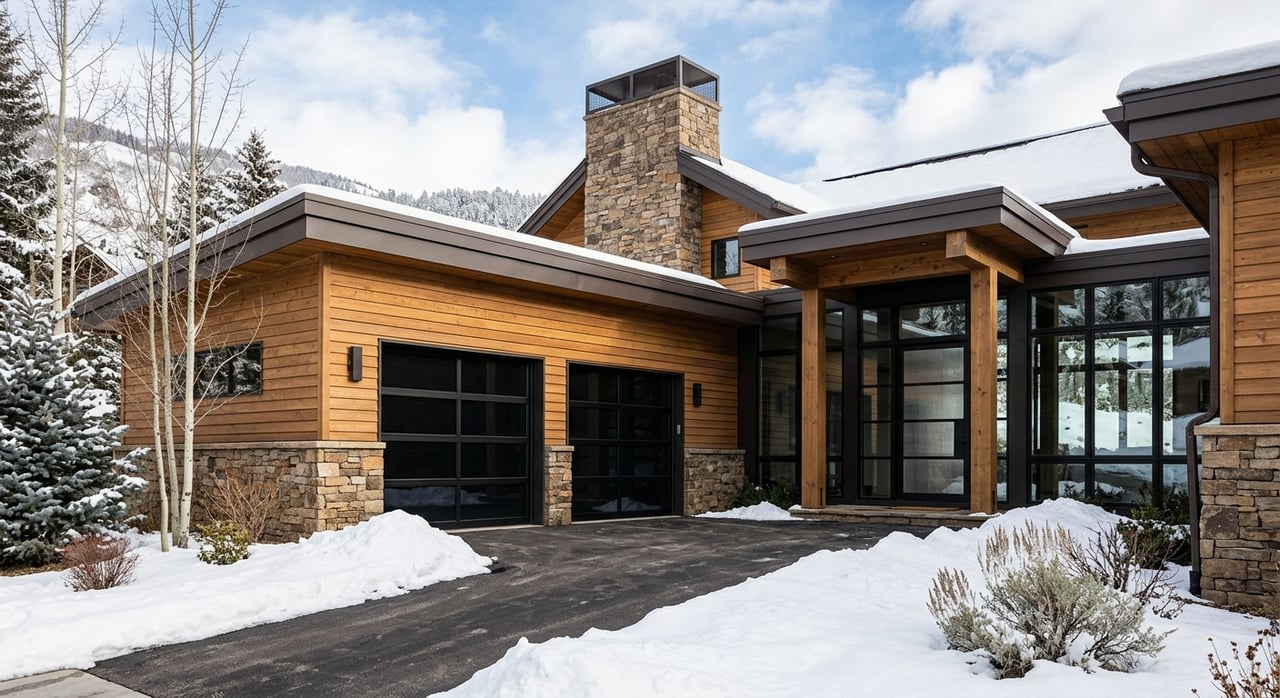
When you live close to Park City’s trail network, practical home features often matter more than flashy upgrades. The best trail-friendly homes tend to make everyday transitions easier.
A few features often stand out:
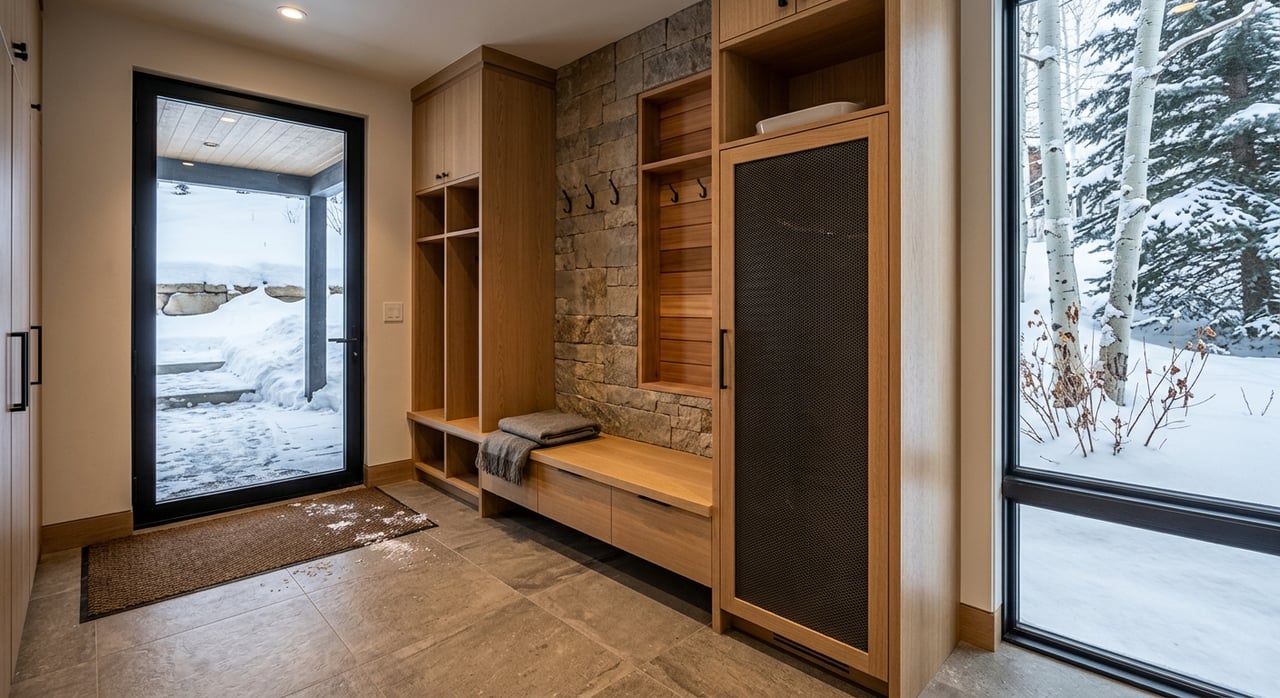
- Mudrooms or gear-drop zones
- Oversized garages
- Secure bike and ski storage
- Durable flooring
- Easy cleanup areas for boots, dogs, and winter gear
These details support how people actually live here. Because trail use is year-round and parking can tighten in winter, homes that make it easy to walk out, gear up, and clean up often feel more functional over time.
The same is true for buyers who split time between Park City and another home. If you are managing a second-home lifestyle, streamlined storage and low-friction daily use can make a big difference in how often you enjoy the property.
How to Choose the Right Trail-Centric Home
The best way to shop for trail access in Park City is to start with your routine, not a map pin. Your ideal location depends on how you want to use the network most often.
Ask yourself:
- Do you want walkable access to downtown plus nearby trails?
- Do you want broad, beginner-friendly trail options for mixed household use?
- Do you prefer resort-adjacent terrain and higher-elevation connections?
- Do you need dog-friendly recreation built into your routine?
- Are winter access and grooming important to you?
- Would transit access improve your day-to-day flexibility?
When you answer those questions clearly, your home search becomes more focused. Instead of chasing a general idea of trail living, you can look for a property that matches your version of it.
In a market like Park City, that level of detail matters. Lifestyle fit often comes from the small daily patterns, not just the headline features.
If you want help narrowing down which Park City neighborhoods best match your trail routine, property goals, and seasonal priorities, The Carollo Real Estate Team can help you identify the right fit with local insight and concierge-level guidance.
FAQs
What does trail access in Park City actually mean for homebuyers?
- In Park City, trail access can mean doorstep access, a short walk to a trailhead, or a transit-assisted connection to higher-elevation terrain, depending on the area.
Which Park City area is best for everyday trail use?
- Round Valley, Park Meadows, and Quinn’s Junction are some of the most versatile options for everyday use, with access that supports hiking, biking, Nordic skiing, dog walking, and family-friendly outings.
What should buyers know about winter trail use in Park City?
- Winter trail conditions vary by area, and snow storage or resort operations can affect parking, while some trails are groomed and others are packed by use but may be icy.
Are dogs and e-bikes allowed on Park City trails?
- Dogs are allowed with some exceptions, leashes are required at trailheads, off-leash use is allowed only where posted, and Class 1 and 2 e-bikes are allowed on doubletrack but generally not on singletrack.
Which home features support Park City trail living?
- Homes with mudrooms, oversized garages, secure gear storage, durable flooring, and easy cleanup spaces tend to support year-round trail use most effectively.